


Are Paraffin Candles Toxic? What You Need to Know Before Lighting One
Paraffin candles are a common choice for many households, but concerns about their safety and potential toxicity have emerged in recent years. When burned, these candles can release harmful chemicals that may pose health risks. This article will explore the chemicals emitted by paraffin candles, their health effects, and safer alternatives. Once you know what paraffin actually releases, the case for switching to a clean coconut soy or pure soy candle is straightforward. We will also discuss eco-friendly options and the importance of supporting ethical brands like Wick of Hope, which focuses on producing non-toxic candle brands in Canada, sustainable candles.
Chemicals Emitted by Paraffin Candles
Paraffin candles are made from petroleum byproducts, and when burned, they can release several harmful chemicals into the air. The most concerning emissions include:
- Benzene: A known carcinogen that can cause respiratory issues and other health problems.
- Toluene: Associated with headaches, dizziness, and respiratory problems.
- Formaldehyde: A toxic compound that can irritate the eyes, skin, and respiratory system.
These chemicals can contribute to poor indoor air quality, making it essential to consider the type of candles you use in your home.
Health Effects
Burning paraffin candles can lead to various health risks, particularly for individuals with respiratory issues or sensitivities. The primary health effects include:
- Respiratory Issues: Burning paraffin candles can release volatile organic compounds (VOCs) that may contribute to respiratory problems.
- Allergies and Asthma: The soot and chemicals released can trigger allergies and asthma attacks.
- Headaches and Nausea: Many users report headaches and nausea after prolonged exposure to the fumes from paraffin candles.
Understanding these health effects is crucial for making informed choices about candle use in your home.
Indeed, scientific studies continue to investigate the profound impact of these emissions on human health, including potential lung injury and oxidative stress.
Scented Candle VOCs: Toxicity, Oxidative Stress, Lung Injury
Toxicological evaluation of volatile organic compounds emitted from scented candles: in silico ADMET profiling, oxidative stress, inflammation, and lung injury in rats
Toxicological evaluation of volatile organic compounds emitted from scented candles: in silico ADMET profiling, oxidative stress, inflammation, and lung injury in rats, MS Mohamed, 2025
Safety Considerations
To minimize the risks associated with burning candles, consider the following safety tips:
- Burn Candles in Well-Ventilated Areas: This helps disperse any harmful emissions.
- Opt for Non-Toxic Alternatives: Choose candles made from natural materials like soy, beeswax, or coconut wax.
- Avoid Candles with Lead-Core Wicks: These can release toxic substances when burned.
By following these safety considerations, you can enjoy candles while reducing potential health risks.
What Are the Safer Alternatives to 7 reasons to switch from conventional candles Candles?

Non-toxic candles are a healthier alternative to paraffin wax candles. These options improve indoor air quality and are safer for sensitive individuals. Some popular non-toxic candle materials include: For those looking for non-toxic candles Canada, these options are widely available and highly recommended.
- Soy Candles: Made from soybeans, these candles produce minimal soot and are biodegradable.
- Beeswax Candles: Known for their long burn time, beeswax candles also help purify the air by releasing negative ions.
- Coconut Wax Candles: These candles have excellent scent throw and are made from renewable resources.
Wick of Hope offers a range of non-toxic candles that align with health-conscious and sustainability values, making them a great choice for eco-friendly living.
How do soy, beeswax, and coconut candles compare as clean burning options?
When comparing different types of non-toxic candles, each has unique benefits:
- Soy Candles: Produce minimal soot and are often blended with essential oils for fragrance.
- Beeswax Candles: Burn longer and help purify the air, and they're often picked for sensitive households.
- Coconut Wax Candles: Known for their excellent scent throw, these candles provide a clean burn and are made from sustainable materials.
These alternatives not only reduce indoor air pollution but also support a healthier environment.
What benefits do non-toxic candles offer for indoor air quality?
Non-toxic candles provide several benefits for indoor air quality, including:
- Reduced Indoor Air Pollution: By burning clean materials, these candles minimize harmful emissions.
- Biodegradability: Non-toxic candles are often made from renewable resources, contributing to a healthier planet.
- Support for Respiratory Health: Using non-toxic candles can help maintain better air quality, particularly for individuals with allergies or asthma.
Choosing non-toxic candles is a proactive step towards improving your indoor environment.
Why Choose Eco-Friendly Candle Materials and Support Ethical Brands?
Opting for eco-friendly candle materials is essential for several reasons:
- Improved Air Quality: Eco-friendly candles help reduce indoor air pollution, benefiting overall health.
- Renewable Resources: These candles are often made from sustainable materials, reducing reliance on fossil fuels.
- Supporting Ethical Brands: Purchasing from companies like Wick of Hope contributes to social causes and environmental initiatives.
By choosing eco-friendly candles, you not only enhance your living space but also support brands that prioritize sustainability.
How do sustainable materials reduce environmental impact?
Sustainable materials play a crucial role in reducing environmental impact by:
- Biodegradability: Many eco-friendly candles are made from materials that break down naturally, minimizing waste.
- Reduced Reliance on Fossil Fuels: Using renewable resources helps decrease the demand for petroleum-based products.
- Contributing to a Healthier Planet: Sustainable practices promote environmental stewardship and conservation.
Understanding the benefits of sustainable materials can guide your choices in candle selection.
What role does Wick of Hope's social mission play in candle selection?
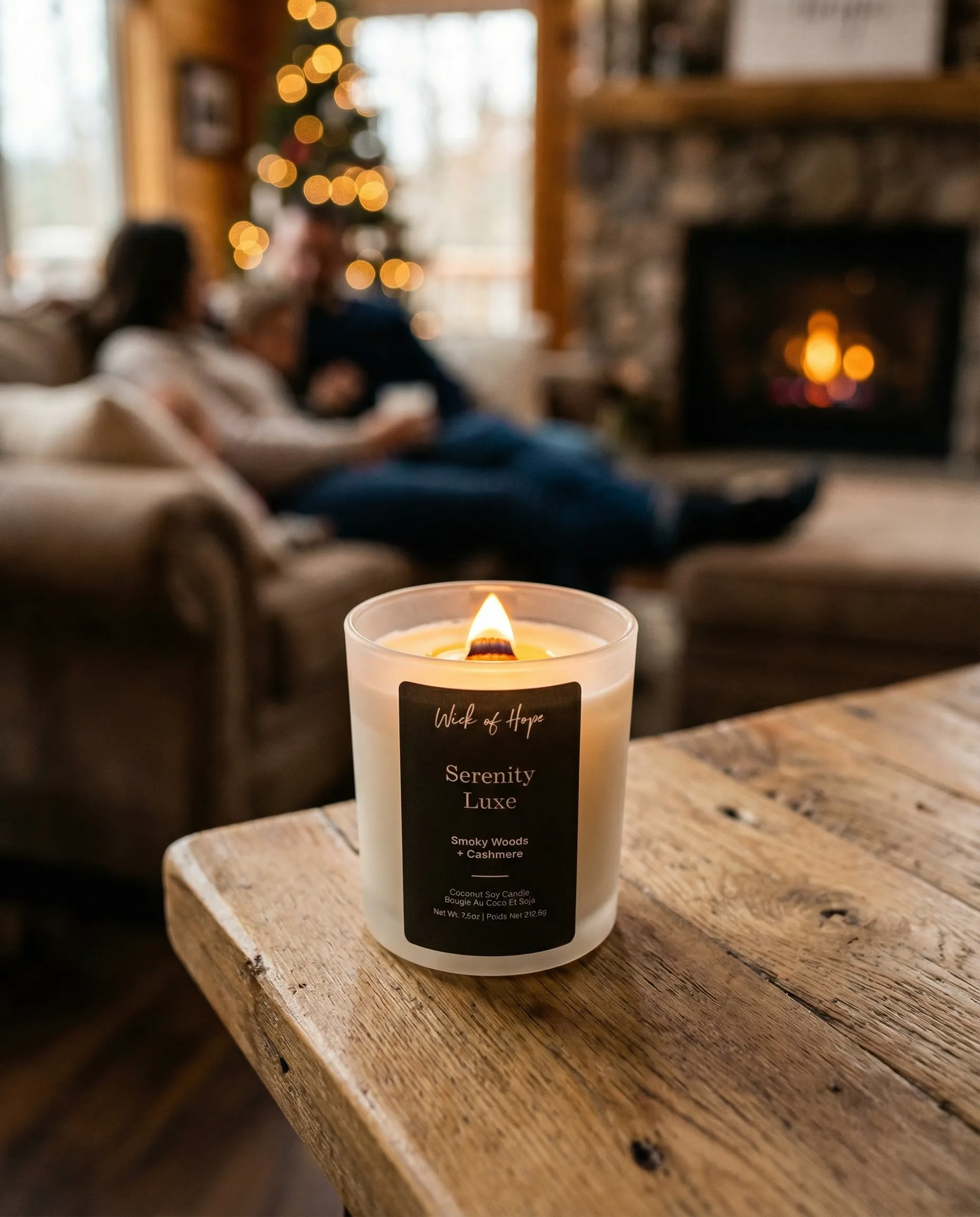
Wick of Hope is a mission-driven candle company focused on producing non-toxic, eco-friendly candles. Their commitment to sustainability and social responsibility is reflected in their product offerings. By choosing Wick of Hope candles, consumers support:
- Environmental Initiatives: The company actively participates in efforts to protect the environment.
- Non-Toxic Materials: Wick of Hope candles are made from safe, sustainable ingredients.
- Social Causes: A portion of proceeds goes towards supporting various social initiatives.
By selecting candles from Wick of Hope, you contribute to a greater cause while enjoying high-quality, eco-friendly products.


