


The safest way to scent your home mixes natural DIY methods, like room sprays, simmer pots, and essential-oil diffusers, with a clean-burning candle when you want something cozier. Skip anything labeled with a vague “fragrance” or “parfum,” since those catch-all terms often hide phthalates and other additives you can’t verify. Look for full ingredient transparency instead. Below, you’ll find the recipes, the label know-how, and the safe-burning habits that make this all work.
TL;DR:
- Using non-combustion methods like diffusers and sprays reduces particulate pollution and exposure to harmful chemicals compared to candles and incense.
- Look for transparent ingredient lists and avoid products labeled only with “fragrance” or “parfum,” as they often conceal phthalates and undisclosed additives.
- Limit candle burns to one or two hours, ensure proper ventilation, and choose coconut-soy wax candles with FSC-certified wooden wicks for safer burning.
- Pet owners, pregnant individuals, and those with respiratory issues should prefer diffusers or odor-neutralizing options over scented candles.
- Transition gradually from conventional to non-toxic fragrances by substituting high-use products first and testing new blends on small fabric samples.
Table of Contents
- Quick Checklist: The Best Non-Toxic Home Fragrance Methods
- How Do You Make Non-Toxic Room Sprays, Simmer Pots, and Diffusers?
- What Should You Look for on a Non-Toxic Fragrance Label?
- How Can You Reduce Exposure When Burning Candles or Diffusing Oils?
- Why Trust Wick of Hope’s Candle Guidance and Recommendations?
- What Are the Health Benefits and Risks of Non-Toxic Home Fragrance?
- Which Fragrance Ingredients Cause the Most Allergic Reactions?
- Are Non-Toxic Fragrances Better for the Environment?
- What Certifications Signal a Genuinely Non-Toxic Product?
- How Do You Switch From Conventional to Non-Toxic Fragrance?
- Why Practical Beats Perfect When It Comes to Home Fragrance
- Ready to Choose a Cleaner Candle for Your Home?
- Sources
Quick Checklist: The Best Non-Toxic Home Fragrance Methods
Not every scenting method fits every household, and that’s fine. Some are better for a quick refresh, others for a slow, all-day glow of scent. Here’s how to match the method to your moment:
- DIY room spray: Best for a quick refresh before guests arrive or after cooking; scent fades within an hour.
- Simmer pot: Best for occasional, deep, whole-house scent on a lazy weekend; needs active supervision on the stove.
- Essential-oil diffuser: Best for gentle, continuous scent in a bedroom or nursery; easy to dial down for sensitive noses.
- Reed diffuser: Best for low-maintenance, always-on fragrance in a bathroom or entryway; no electricity or open flame needed.
- Charcoal or baking soda: Best for neutralizing odors (pet areas, closets, gym bags) rather than adding scent.
- Clean-burning candle: Best for the ritual of a lit flame and a crackling wooden wick, when you want ambiance along with scent.
Pet owners and pregnant readers generally do best with diffusers and reed diffusers at low concentrations, since you control dosage precisely. If anyone in your home has asthma or migraines tied to strong smells, charcoal and baking soda options remove odor without introducing anything airborne at all.
How Do You Make Non-Toxic Room Sprays, Simmer Pots, and Diffusers?
Homemade fragrance gives you full control over what goes into the air you breathe, and none of these recipes require special equipment.
- Room spray. Combine two-thirds distilled water with one-third high-proof ethanol or a solubilizer (a small amount of witch hazel works in a pinch). Add 15 to 25 drops of essential oil per 100 mL of liquid, shake well, and store in a dark glass spray bottle. Without a preservative, use the mix within two to three weeks; the ethanol helps disperse the oil evenly and cuts down on residue on fabric.
- Simmer pot. Fill a small saucepan with water and add citrus peels, a cinnamon stick, a few whole cloves, or fresh rosemary. Keep the heat low, never let the pot run dry, and never leave it unattended, even for a few minutes. Crack a window while it simmers so the steam and aroma actually circulate instead of building up.
- Reed diffuser base. Mix fractionated coconut oil with essential oil at roughly a 3:1 or 4:1 ratio (more carrier oil for a lighter scent, more essential oil for something stronger). Fractionated coconut oil stays liquid and resists rancidity longer than most plant oils, which matters since a diffuser base sits out for weeks. Rattan reeds wick the scent upward more evenly than synthetic ones and are biodegradable when you’re done with them.
A few essential oils deserve caution regardless of the format. Keep wintergreen, pennyroyal, and pure clove leaf oil out of homes with cats, since cats metabolize certain compounds poorly. Pregnant readers are often told to avoid concentrated clary sage, rosemary, and cinnamon bark until after checking with a doctor. When in doubt, use less.
Pro Tip: Test any new blend on a small fabric swatch or in a corner of the room for 24 hours before spraying it throughout your home. Some essential oils darken light fabrics or leave a faint oily ring on painted walls.
What Should You Look for on a Non-Toxic Fragrance Label?
The word “fragrance” or “parfum” on an ingredient list is a legal loophole, not a description. Manufacturers can bundle dozens of undisclosed chemicals under that single term, and phthalates, plasticizers linked to hormone disruption, are among the most common hidden additives. If a product won’t name what’s actually in that blend, treat it as a red flag.
What you want instead:
- A full ingredient list, not a “proprietary blend” that hides the specifics.
- An explicit phthalate-free claim, backed by ingredient disclosure rather than just a logo.
- Plant-derived carriers (like fractionated coconut oil) instead of petroleum-based solvents.
- Clear pet-safety guidance if the product is meant for diffusing.
- For candles specifically: coconut-soy wax blends, FSC-certified wooden or cotton wicks, and no paraffin.
Paraffin is a petroleum byproduct, and burning it is one of the more direct routes to inhaling combustion byproducts at home. Coconut-soy wax burns cooler and cleaner, which is part of why non-toxic candles are worth choosing over traditional paraffin options. Before buying anything, ask the brand for its full ingredient list if it’s not posted, and weigh scent throw against concentration. A product that smells strong from concentrated synthetic fixatives isn’t necessarily better than a lighter, cleaner formulation.
How Can You Reduce Exposure When Burning Candles or Diffusing Oils?
Burning any candle releases some volatile organic compounds and fine particulate matter into the air, and a study of young university students found that scented-candle users reported higher rates of headaches, shortness of breath, and cough than non-users. Chamber testing has also detected phthalates like DEP, DBP, and BBP released from burning candles and incense, which is one more reason combustion sources deserve more caution than a diffuser or spray.
The exposure gap: Combustion-based fragrance, candles and incense alike, releases particulate-phase compounds that settle onto surfaces and linger, while non-combustion methods like diffusers and sprays don’t generate that same particulate load.
None of this means giving up candles. It means burning them smarter:
- Limit any single burn to one to two hours at a time.
- Trim the wick to about a quarter inch before each lighting to cut down on soot.
- Burn in a room with airflow, since a cracked window or a running exhaust fan makes a real difference in how quickly VOCs clear; proper ventilation is key to maintaining healthy indoor air, as explained in Household Air Quality Indicators: What to Measure at Home.
- Avoid running several candles or a candle and a plug-in diffuser at once in a small, closed room.
Pregnant people, small children, and anyone with asthma benefit most from shorter burn windows and better airflow, since their systems handle particulate exposure less easily. In pet households, skip heavy indoor misting altogether and stick to low-concentration diffusing. If a candle starts smoking or someone in the house develops a headache or cough while it’s lit, put it out, open a window, and give the room time to clear before relighting.
Why Trust Wick of Hope’s Candle Guidance and Recommendations?
Wickofhope builds every candle around the same standards outlined above: natural coconut-soy wax instead of paraffin, FSC-certified wooden wicks that give you that gentle crackle without synthetic additives, and biodegradable, vegan packaging from box to label. The brand carries a 4.9-star rating across more than 650 reviews, and every purchase helps fund support for women and children escaping crisis situations.
Three candles cover most everyday scent needs:
- Fresh Beginnings, Cotton + Green Tea: a light, clean scent for daily background fragrance in a living room or home office.
- Blossoms at Dusk, Jasmine + Magnolia: a floral, evening-appropriate scent for winding down or setting a mood for guests.
- Evergreen Stillness, Pine + Cedar: a grounding, seasonal green scent that works especially well through fall and winter.
For more on the safety practices behind these formulations, see Wickofhope’s guide to burning healthier candles at home.
What Are the Health Benefits and Risks of Non-Toxic Home Fragrance?
Switching to non-toxic fragrance methods mainly reduces what you’re not breathing in: fewer synthetic fixatives, less combustion soot, and no undisclosed phthalate blends. For households already managing asthma, migraines, or chemical sensitivity, that reduction alone often means fewer flare-ups tied to strong scents.
There’s a wellness side too. A simmer pot of orange peel and cinnamon or a diffuser running lavender does more than mask odor. Many people use scent deliberately to signal transitions, lighting a candle to mark the end of a workday, or diffusing citrus in the morning to feel more alert. That ritual value is real, even if it’s harder to measure than a VOC reading.

Risk doesn’t disappear just because a product is labeled natural. Essential oils are concentrated plant compounds, and “natural” doesn’t mean “risk-free.” Undiluted oils applied near skin can cause irritation, and some oils cause genuine allergic reactions in sensitive people regardless of their plant origin. Diffusing too many oils at once, or running a diffuser continuously in a small closed room, can also raise airborne concentration higher than intended. The practical fix is the same one that applies to candles: moderate use, good ventilation, and attention to how your household actually responds.
Which Fragrance Ingredients Cause the Most Allergic Reactions?
Fragrance allergies are more common than most people expect, and they don’t discriminate between synthetic and natural sources. Some of the most frequent culprits include:
- Linalool and limonene: found in many essential oils and synthetic fragrances alike; both oxidize on exposure to air and become more sensitizing over time.
- Cinnamon bark and cinnamaldehyde: a well-documented skin irritant, even in small amounts.
- Clove oil (eugenol): can cause contact dermatitis with repeated skin exposure.
- Synthetic musks and fixatives: common in mass-market candles and sprays, and rarely disclosed by name under a “fragrance” label.
- Balsam of Peru: a natural resin extract that’s one of the more common causes of fragrance-related contact allergies.
If you or someone in your home has reacted to a scented product before, patch-test new blends and start with lower concentrations than the recipes above suggest. Diffusing for short intervals rather than continuously also gives sensitive people a chance to notice a reaction before it builds. And if a store-bought candle or spray causes headaches or skin irritation, the ingredient list, if the brand actually provides one, is the first place to look for the cause.
Are Non-Toxic Fragrances Better for the Environment?
Conventional fragrance products carry an environmental cost that goes beyond what you inhale. Paraffin wax comes from petroleum refining, a non-renewable resource, and synthetic fragrance compounds in sprays and plug-ins often persist in wastewater after they wash down the drain. Aerosol sprays add propellant emissions on top of that.
Non-toxic alternatives tend to break down more easily and draw on renewable materials. Coconut-soy wax comes from crops rather than petroleum. Rattan reeds used in diffusers are biodegradable, unlike the synthetic reeds that show up in cheaper kits. Biodegradable packaging, cotton or FSC-certified wooden wicks, and vegan formulations all shrink the footprint further, from sourcing through disposal.
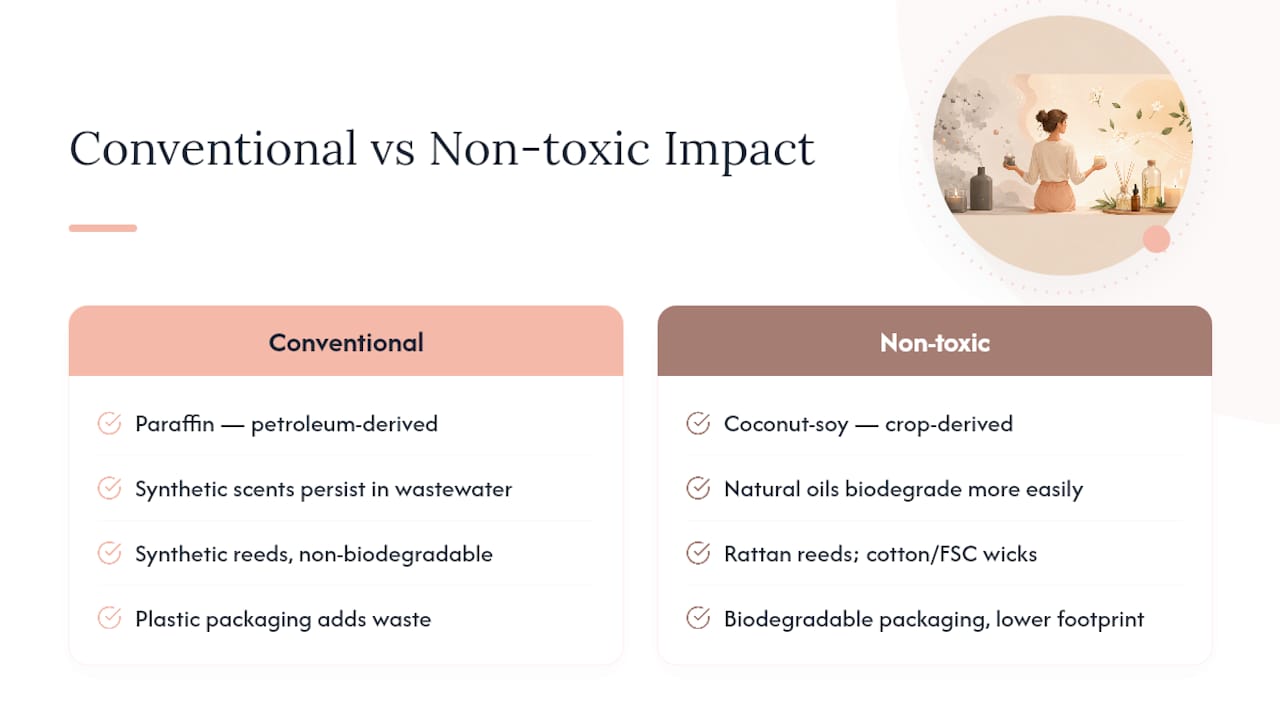
None of this makes any single candle or spray carbon-neutral. But choosing renewable materials over petroleum derivatives, and biodegradable packaging over plastic, adds up across the thousands of candles and bottles a household goes through over the years. If sustainability matters to you as much as what you’re breathing, both criteria usually point toward the same shopping choices: transparent ingredients, plant-based materials, and packaging that actually breaks down.
What Certifications Signal a Genuinely Non-Toxic Product?
Certification labels help cut through marketing language, though not every claim on a package carries the same weight. A few worth knowing:
- Full ingredient disclosure or SmartLabel-style transparency: lets you verify exactly what’s in a product rather than trusting a brand’s word for it.
- Phthalate-free claims backed by ingredient lists: more meaningful than a “non-toxic” label alone, since “non-toxic” itself isn’t a regulated term in the fragrance industry.
- FSC certification on wooden wicks or reeds: confirms the wood comes from responsibly managed forests.
- Vegan and cruelty-free certifications: relevant if you’re avoiding animal-derived waxes like beeswax or animal-tested fragrance compounds.
Here’s the catch: no single certification guarantees a product is free of everything a health-conscious buyer wants to avoid. A candle can be vegan and still use paraffin. A spray can claim “natural” and still hide synthetic fixatives behind the word “fragrance.” Certifications work best as one input alongside a full ingredient list, not a replacement for reading it. When a brand publishes exactly what’s in the bottle or the wax, that transparency itself is often a stronger signal than any single logo on the box.
How Do You Switch From Conventional to Non-Toxic Fragrance?
You don’t need to toss every scented product in your house at once. A gradual swap tends to stick better than an overnight overhaul.
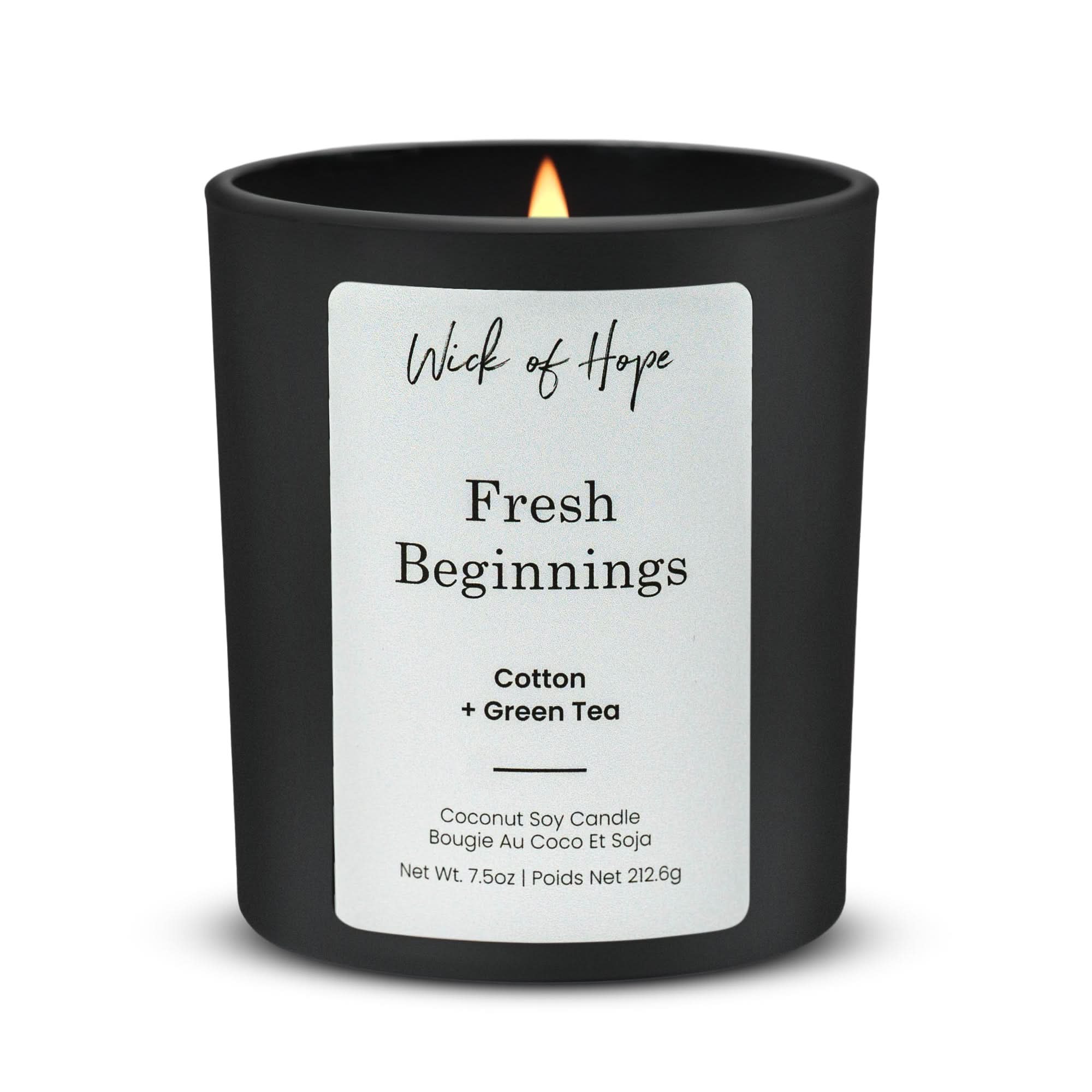
Start with whatever you replace most often. Plug-in air fresheners and aerosol sprays are usually the easiest first swap, since a DIY room spray or a bowl of baking soda does the same job without synthetic propellants. Next, tackle your candle drawer: as paraffin candles burn down, replace them with coconut-soy versions rather than restocking the same brand.
Give yourself permission to test small batches before committing. Mix a single reed diffuser bottle instead of buying several new products at once, and see how your household responds over a couple of weeks. If anyone gets a headache or a rash, you’ll know quickly which ingredient to avoid next time.
Keep a short list of ingredients you’ve confirmed cause no reaction in your home, this becomes your baseline for evaluating new products faster. Within a month or two, most households find the transition mostly done, with just a few stubborn favorites (a specific candle scent, a particular spray) left to replace on their own timeline.
Why Practical Beats Perfect When It Comes to Home Fragrance
The conventional advice on this topic tends to swing to extremes: either “just buy natural” (which means little without ingredient transparency) or a level of ingredient-list paranoia that makes scenting your home feel like a chemistry exam. Neither serves you well.
What the research actually supports is more modest and more useful. Combustion sources, candles and incense, carry a measurable emissions profile worth managing with ventilation and burn limits, not avoiding altogether. Non-combustion methods like diffusers and sprays carry lower particulate risk but still deserve real dilution discipline, especially around pets and pregnancy. And “natural” labeling means far less than a full ingredient list.
If you take one thing from this guide, let it be this: prioritize transparency over marketing language, whether you’re mixing a diffuser at your kitchen counter or picking a candle off a shelf. The households that get this right aren’t the ones buying the most expensive products. They’re the ones asking what’s actually in the bottle.
— Andy
Ready to Choose a Cleaner Candle for Your Home?
Everything in this guide, transparent ingredients, plant-based materials, no hidden phthalates, is exactly what Wickofhope builds into every candle. Coconut-soy wax burns cooler and cleaner than paraffin, FSC-certified wooden wicks skip the synthetic cores found in many mass-market candles, and every box is biodegradable from label to lid. You get the ritual of a lit candle without wondering what you’re actually breathing.
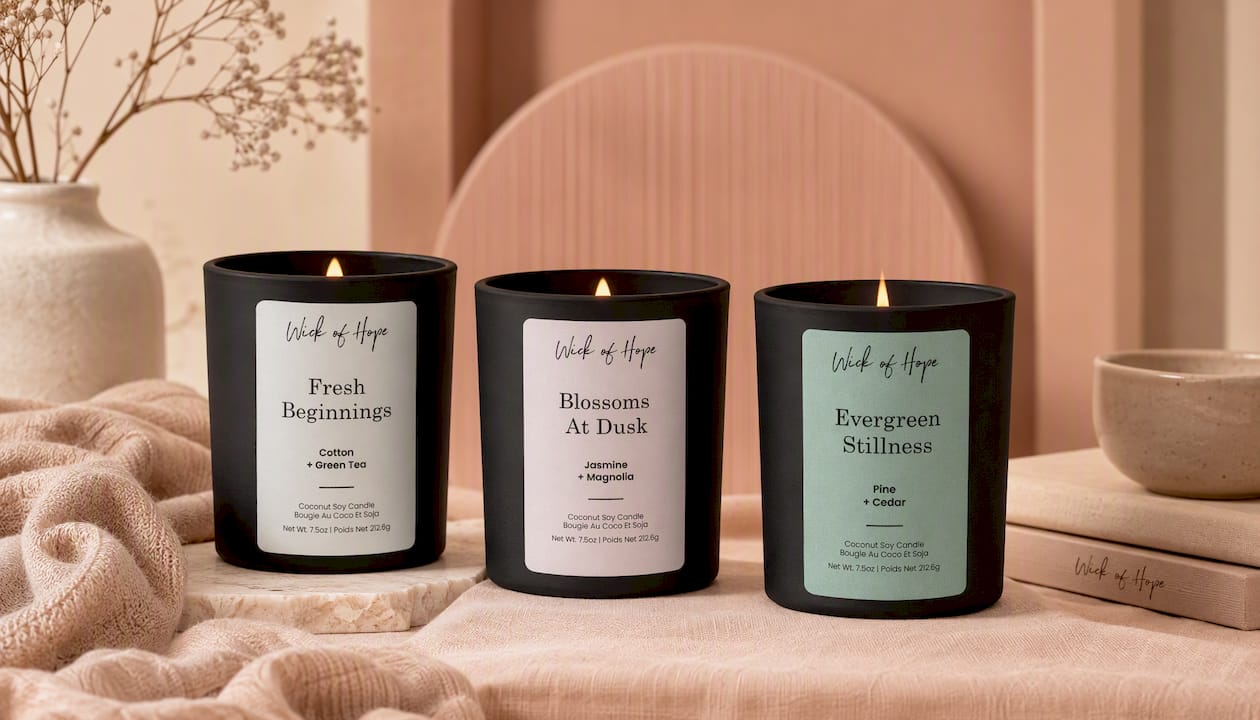
If daily background scent is what you’re after, the Fresh Beginnings candle delivers a clean cotton and green tea fragrance that won’t overwhelm a small room. For evenings and gatherings, the Blossoms at Dusk candle brings a warm jasmine and magnolia scent that fits the mood. And if you want something grounding for the colder months, the Evergreen Stillness candle offers pine and cedar without a hint of synthetic pine cleaner. Browse the full scented candle collection and pick the scent that fits your space, then check out and light one tonight knowing exactly what’s in the wax.
This article is general information, not a substitute for advice from a qualified doctor. Consult a qualified healthcare professional about your own circumstances before acting on anything here.
Sources
- Extent of exposure to scented candles and prevalence of respiratory and non-respiratory symptoms amongst young university students
- Investigation of phthalate emissions from incense stick, scented candle and perfume through a chamber experiment
- 5 Non-Toxic Ways to Make Your Home Smell Nice
- Best non-toxic reed diffuser


