


For ambiance and ritual, reach for a candle. For continuous scent or therapeutic aromatherapy, a diffuser does the job better. Most homes benefit from both, used in different rooms for different moments.
- Candles win on atmosphere. The warm flicker, the crackling wooden wick, the way a rich amber or vanilla note fills a room within minutes — nothing else replicates that sensory experience.
- Diffusers win on consistency and therapeutic fidelity. Reed diffusers run all day without supervision; ultrasonic and nebulizing types deliver essential oils without heat, preserving the compounds that make aromatherapy actually work.
- Layering both gives you the best of each. A reed diffuser in the entryway plus a candle in the living room on a quiet evening is a combination that feels intentional, not accidental.
For room-by-room guidance on where each format performs best, jump to the recommendations section below.
Key Takeaways
Candles and diffusers serve different purposes, and choosing by your primary goal rather than habit is the single most useful shift you can make.
| Point | Details |
|---|---|
| Match format to goal | Candles for ambiance and ritual; diffusers for continuous scent and aromatherapy. |
| Diffusers preserve oil chemistry | No-heat methods (nebulizing, ultrasonic) keep volatile compounds intact for genuine therapeutic benefit. |
| Clean wax matters | Coconut-soy and beeswax candles produce less soot than paraffin, improving indoor air quality. |
| Safety is non-negotiable | Never leave a burning candle unattended; research every essential oil before diffusing around pets or children. |
| Wickofhope candles | Clean-burning coconut-soy wax with FSC wooden wicks, formulated for safe, fragrant, and purposeful home use. |
Table of Contents
- Candles vs diffusers: a quick side-by-side comparison
- How candles produce scent and what the wax type changes
- How diffusers work and which type fits your needs
- How quickly does each format fill a room?
- How long does each option last and what does it really cost?
- Safety, indoor air quality, and environmental considerations
- Which rooms and goals call for candles vs diffusers?
- How to care for candles and diffusers
- How to layer candles and diffusers without clashing
- Why clean-burning candles are worth the upgrade
- When I reach for a candle vs a diffuser
- Clean candles that match your home fragrance goals
- Sources
Candles vs diffusers: a quick side-by-side comparison
| Dimension | Candles | Diffusers |
|---|---|---|
| Best for | Ambiance, ritual, evening atmosphere | Continuous scent, aromatherapy, all-day freshness |
| Scent throw | Strong, immediate | Gradual (reed) to strong (nebulizing) |
| Duration | several dozen hours per candle | Weeks to months per refill |
| Upfront cost | $10–$40 | $20 |
| Running cost | Per candle | Essential oil refills |
| Maintenance | Wick trimming, burn-time limits | Reed flipping, reservoir cleaning |
| Safety risks | Open flame, soot, fire risk | Oil toxicity for pets, mist near electronics |
| Environmental | Paraffin = higher emissions; soy/coconut-soy = cleaner | Reusable device; oil quality varies |
A few things stand out when you scan that table. Candles carry a real fire risk that diffusers simply do not. Diffusers, on the other hand, require you to think carefully about which oils are safe around children and pets. Cost over time tends to favor diffusers, but the upfront price for a quality nebulizing unit can be steep.
- Candles deliver scent within minutes; reed diffusers can take hours to build noticeable fragrance.
- Nebulizing diffusers produce the strongest therapeutic effect because they use no heat and no water.
- For a continuous, low-maintenance option in a high-traffic area, reed diffusers in entryways and powder rooms are a reliable choice.
Quick rule: If you want continuous scent in an entryway, choose a reed diffuser. For evening ambiance in a living room or bedroom, light a candle.
How candles produce scent and what the wax type changes
When a candle burns, heat from the flame melts the wax closest to the wick. That liquid wax travels up the wick, vaporizes, and releases fragrance molecules into the air. The chemistry of that release depends heavily on what the wax is made of and how the wick behaves.
Wax types and what they mean for your home
Paraffin is the most common candle wax and the cheapest. It produces a strong scent throw, but it is petroleum-derived and releases more soot and particulates than plant-based alternatives. For households focused on indoor air quality, paraffin is the wax to avoid.
Soy wax burns cooler and slower, producing less soot. It holds fragrance well and is biodegradable. The trade-off is a slightly softer scent throw compared with paraffin.
Coconut-soy wax blends the clean burn of soy with the creamier texture and stronger scent throw of coconut oil. It is one of the cleaner options available, and it works particularly well with complex fragrance blends.
Beeswax burns the cleanest of all, releasing almost no soot. It is naturally honey-scented, which can compete with added fragrance, and it is the most expensive option per ounce.
Wick types matter more than most people realize
Cotton wicks are standard and reliable. Wooden wicks, like the FSC-certified ones Wickofhope uses, create a soft crackling sound and a wider melt pool, which improves scent throw. Metal-cored wicks are the ones to avoid: older versions contained lead, and even zinc-cored versions can release more particulates than cotton or wood alternatives.
- Paraffin: strongest throw, highest soot output, petroleum-based
- Soy: clean burn, moderate throw, biodegradable
- Coconut-soy: clean, strong throw, premium feel
- Beeswax: lowest emissions, natural honey scent, highest cost
- Wooden wicks: wider melt pool, gentle crackle, better throw than thin cotton
Pro Tip: On the very first burn, let the candle stay lit until the entire surface melts to the container edge. This “full melt pool” rule prevents tunneling — the frustrating hollow channel that forms down the center when a candle is extinguished too early — and it extends the total burn life of the candle significantly.
How diffusers work and which type fits your needs
Diffusers disperse scent without combustion. That single difference changes everything about how they perform, how safe they are, and whether they can deliver genuine aromatherapy benefits.
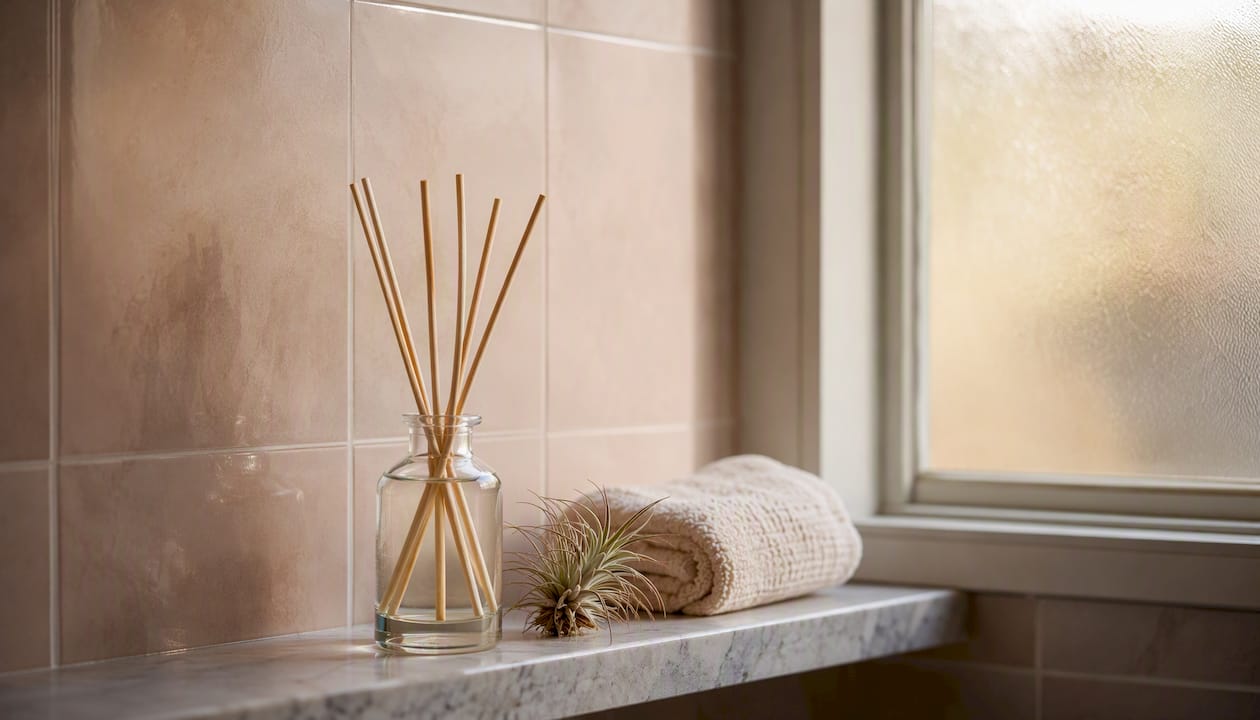
Reed diffusers use porous sticks to draw fragrance oil up from a vessel and release it passively into the air. No power needed, no noise, no maintenance beyond flipping the reeds every few days. Scent builds gradually and stays at a low, consistent level — perfect for bathrooms and entryways.
Ultrasonic diffusers use high-frequency vibrations to break water and essential oil into a fine mist. They add a small amount of humidity to the air, which can be welcome in dry climates. Scent throw is gentle and diffuse. Because the oil is diluted with water, the therapeutic concentration is lower than with nebulizing types.
Nebulizing diffusers atomize undiluted essential oil into micro-droplets with no heat and no water. This method preserves volatile compounds that heat-based methods degrade, making nebulizing diffusers the strongest choice for therapeutic aromatherapy. They also produce the most intense whole-room scent coverage of any diffuser type.
Electric warmers use a low-heat plate to gently melt wax melts or warm oil. They are flame-free and quiet, but the heat does alter some oil compounds, reducing therapeutic fidelity compared with nebulizing or ultrasonic options.
Controlled aromatherapy studies suggest that lavender and similar essential oils can reduce stress markers in controlled settings — but that benefit depends on the delivery method preserving the active compounds. Heat degrades them.
- Reed: passive, quiet, low maintenance, gradual scent build
- Ultrasonic: gentle mist, adds humidity, lower therapeutic concentration
- Nebulizing: strongest scent and therapeutic fidelity, higher oil consumption, no water needed
- Electric warmers: flame-free, quiet, moderate heat alters some compounds
Pro Tip: If you have pets or young children and want aromatherapy benefits, an ultrasonic diffuser on a timer is the safest starting point. Use it in a ventilated room, keep sessions to 30–60 minutes, and always research whether the specific oil is safe for your household members before diffusing.
How quickly does each format fill a room?
Candles deliver scent almost immediately. Within five to ten minutes of lighting, fragrance molecules are circulating in the room. The intensity peaks while the candle is burning and fades quickly after you extinguish it.
Reed diffusers work on a different timeline. They take several hours to build noticeable fragrance, but once established, the scent stays consistent around the clock. The trade-off is that you cannot turn them up for a dinner party the way you can light three candles at once.
Nebulizing diffusers sit between those two extremes: they reach noticeable scent levels within 15–20 minutes and can cover a large open-plan space more evenly than a single candle.
| Format | Time to noticeable scent | Coverage area | Adjustable intensity |
|---|---|---|---|
| Candle | 5–10 minutes | Medium room | Yes (add more candles) |
| Reed diffuser | 2–6 hours | Small to medium room | Limited (more reeds = stronger) |
| Ultrasonic diffuser | 15–30 minutes | Medium room | Yes (run time settings) |
| Nebulizing diffuser | 10–20 minutes | Large room | Yes (output dial) |
- For open-plan spaces over 400 square feet, one candle is rarely enough — use two to three, or pair a candle with a nebulizing diffuser.
- Place reed diffusers near air movement (a doorway, an HVAC vent) to help distribute scent without overpowering a small room.
- Fragrance professionals note that candles express richer base notes like woods, ambers, and vanillas more fully because heat enhances those accords, while reed diffusers tend to highlight fresher citrus and herbal top notes.
How long does each option last and what does it really cost?
A typical 8 oz candle burns for several dozen hours. A 100 ml reed diffuser bottle lasts several weeks with daily use. A 10 ml bottle of essential oil used in an ultrasonic diffuser at a few drops per session can last several weeks depending on how often you run it.
Consumer reporting consistently finds that diffusers are more economical over time: a few drops of oil stretch further than a single candle burn, especially for households that want scent running most of the day.
A simple comparison: a moderately priced candle burning a few hours per evening lasts several evenings. A $15 bottle of essential oil used in a diffuser for 1 hour per day can last 30–40 days. The diffuser wins on cost per scented hour for continuous use, but the candle wins on atmosphere per dollar for short, intentional sessions.
- How often you run a diffuser changes the math significantly — daily all-day use consumes oil fast.
- Seasonal candle use (holiday, winter evenings) often makes candles the more practical choice for occasional ambiance.
- Nebulizing diffusers use more oil than ultrasonic types because the oil is undiluted.
- Buying candles in bundles reduces per-unit cost; candle bundles and gift sets are worth considering if you burn candles regularly.
Safety, indoor air quality, and environmental considerations
This is where the choice gets personal, especially if you have children, pets, or anyone in the household with asthma or respiratory sensitivity.
Health Canada recommends keeping candles away from children and pets, never leaving a burning candle unattended, trimming the wick before each use, and placing candles on stable, heat-resistant surfaces away from drafts and flammable materials. These are not optional precautions — they are the baseline for safe candle use.
Combustion from scented candles releases soot and particulate matter. Paraffin candles produce more of both than soy, coconut-soy, or beeswax alternatives. Heat from a flame also alters fragrance compounds, which is why candles are less effective for delivering intact aromatherapy benefits compared with no-heat diffusion methods.
For diffusers, the main safety concern is essential oil toxicity. Many oils that are safe for adult humans are harmful to cats, dogs, and birds. Tea tree, eucalyptus, and citrus oils are among those flagged as problematic for pets. If you have animals in the home, check pet-safe candle and scent guidance before diffusing any oil. Wickofhope also offers pet-conscious candles formulated with this in mind.
Choosing a clean-burning candle made from soy, coconut-soy, or beeswax wax with a cotton or wooden wick meaningfully reduces particulate output compared with standard paraffin candles — a practical step for anyone managing indoor air quality at home.
Safety checklist:
- Trim wick to 1/4 inch before every burn
- Never leave a burning candle unattended
- Keep candles away from children, pets, and flammable materials
- Burn candles in a ventilated room
- Research every essential oil before diffusing in a home with pets or infants
- Run diffusers in ventilated spaces for 30–60 minute sessions, not continuously all day
- Look for “clean-burning,” “non-toxic,” or FSC-certified wick claims when buying candles
Which rooms and goals call for candles vs diffusers?
The right format depends on how a room is used, who is in it, and what you want the scent to do.
By room:
- Bedroom: An ultrasonic diffuser on a 30-minute timer before sleep works well for lavender or chamomile aromatherapy. A low-burning candle during a wind-down routine adds warmth, but extinguish it before you fall asleep.
- Living room: Candles shine here. A crackling wooden-wick candle with a woody or amber base note creates the atmosphere that makes a room feel lived-in and welcoming.
- Bathroom: A reed diffuser is the practical choice — no flame near towels, no supervision needed, continuous freshness around the clock.
- Kitchen: Avoid heavy floral or sweet candles near cooking smells. A reed diffuser with a clean, neutral scent handles odor control without competing with food.
- Home office: An ultrasonic diffuser with a focus-supporting oil (peppermint, rosemary) on a timer keeps the scent subtle and purposeful.
By goal:
- Ambiance for guests: Light two or three candles in the living room 20 minutes before guests arrive. The scent and the visual warmth do the work together.
- Odor control: Reed diffusers in bathrooms and entryways handle this passively and reliably.
- Therapeutic aromatherapy: A nebulizing diffuser with a high-quality essential oil is the most effective choice, as confirmed by aromatherapy practitioners.
- Pet households: Flame-free options are safer. Wickofhope’s pet-friendly wax melts offer a middle ground — scent without an open flame, formulated with pets in mind.
- Small apartments: One well-placed reed diffuser in the entryway and a single candle in the main living area is usually enough. Avoid running multiple scent sources simultaneously in a small space.
For detailed placement advice, the room-by-room candle placement guide covers positioning for even coverage and safety.
How to care for candles and diffusers
Good maintenance is the difference between a candle that lasts 50 hours and one that tunnels out after 15.
Candle care steps:
- Trim the wick to 1/4 inch before every single burn. Long wicks produce larger flames, more soot, and uneven burning.
- On the first burn, let the candle stay lit until the wax melts all the way to the container edge. This sets the “memory” of the wax and prevents tunneling on every subsequent burn.
- Keep burn sessions to 2–4 hours maximum. Burning longer overheats the wax, weakens the scent throw, and can stress the container.
- Stop burning when 1/2 inch of wax remains at the bottom to avoid overheating the container.
- Store candles away from direct sunlight and heat to prevent discoloration and fragrance loss.
The full candle care guide from Wickofhope covers these steps in detail, including how to clean and repurpose the vessel once the candle is finished.
Diffuser care steps:
- Flip reed sticks every 3–5 days to refresh scent throw. Flip more often for a stronger scent, less often to make the oil last longer.
- Clean ultrasonic reservoirs weekly. Empty any remaining water and oil, wipe the interior with a soft cloth, and run a short cycle with plain water before adding a new oil blend.
- Never mix two different oils directly in a reservoir without cleaning between uses — residue from the previous oil changes the scent profile of the new one.
- Replace reed sticks when they become saturated and dark; clogged reeds stop drawing oil effectively.
Pro Tip: Once a candle is fully burned, clean the vessel with hot water and a few drops of dish soap to remove wax residue. The jar makes a beautiful holder for small plants, cotton rounds, or tea lights — and reusing it keeps it out of the recycling bin.
How to layer candles and diffusers without clashing
Layering works when one format handles the background and the other handles the focal moment. Two strong, competing scents running simultaneously in the same room rarely end well.
The principle is simple: choose scents from complementary fragrance families, or use the same scent in both formats for amplification. Fragrance families that pair well together include citrus with woods, florals with musks, and herbs with earthy base notes.
- Background + focal: Run a reed diffuser with a light citrus or herbal top note continuously, then light a candle with a warm woody or amber base note in the evening. The citrus lifts the wood; the wood grounds the citrus.
- Matching for amplification: Use the same fragrance in both a diffuser and a candle for a richer, more immersive effect — useful for entertaining or creating a spa-like bathroom experience.
- Intensity control: When both formats are running, turn the diffuser to its lowest setting and keep the candle to a single unit. Two sources at full strength in a medium room will overwhelm rather than layer.
For inspiration on achieving a hotel-like layered fragrance experience at home, this guide on luxury home scenting covers the principles fragrance designers use in high-end hospitality settings.
Pro Tip: Avoid pairing two floral-heavy scents or two intensely sweet scents in the same room — they compete rather than complement. When in doubt, one format carries a single clean note and the other carries the complexity.
Why clean-burning candles are worth the upgrade
Not all candles are created equal, and the difference between a paraffin candle and a coconut-soy candle with a wooden wick is not just marketing language.
Wickofhope’s scented candles are made from natural coconut-soy wax with FSC-certified wooden wicks, vegan fragrance blends, and biodegradable packaging. Every purchase supports women and children escaping crisis — a social mission that sits alongside the product’s clean formulation as a reason to choose it deliberately.
The practical case for coconut-soy over paraffin comes down to emissions. Paraffin is a petroleum byproduct, and its combustion releases more soot and particulate matter into your home’s air. Soy and coconut-soy waxes burn cooler and cleaner, producing less residue on walls, ceilings, and soft furnishings over time.
- Coconut-soy wax: cleaner burn, stronger throw than plain soy, biodegradable
- FSC wooden wicks: sustainably sourced, wider melt pool, gentle crackle
- Vegan, cruelty-free formulations: no animal-derived ingredients beyond beeswax alternatives
- Biodegradable packaging: reduces waste at the end of the product’s life
Switching from paraffin to a coconut-soy candle with a wooden wick is one of the simplest ways to reduce combustion-related particulates in your home — without giving up the atmosphere a candle creates.
Wickofhope’s sustainability and sourcing page details the sourcing standards behind every candle in the range.
When I reach for a candle vs a diffuser
Mornings in my home belong to the diffuser. An ultrasonic unit in the kitchen with a few drops of sweet orange or peppermint runs for 30 minutes while coffee brews — it is low-effort, consistent, and sets a calm tone without any supervision. No flame, no fuss.
Evenings are different. That is when a candle earns its place. A coconut-soy candle with a warm sandalwood or cedar note on the coffee table does something a diffuser simply cannot: it changes the feeling of a room. The light, the crackle, the way the scent builds slowly as the wax pool opens up — it turns an ordinary Tuesday into something that feels intentional.
The bedroom gets an ultrasonic diffuser on a timer, set to run for 45 minutes before sleep with lavender. The bathroom gets a reed diffuser that I flip every few days and largely forget about. The entryway gets nothing — it is small enough that the reed diffuser from the bathroom does the work.
The benefits of scented candles for mood and ritual are real, but they are most felt when the candle is chosen deliberately for the moment rather than left burning all day as a background scent source. That is where diffusers take over.
Clean candles that match your home fragrance goals
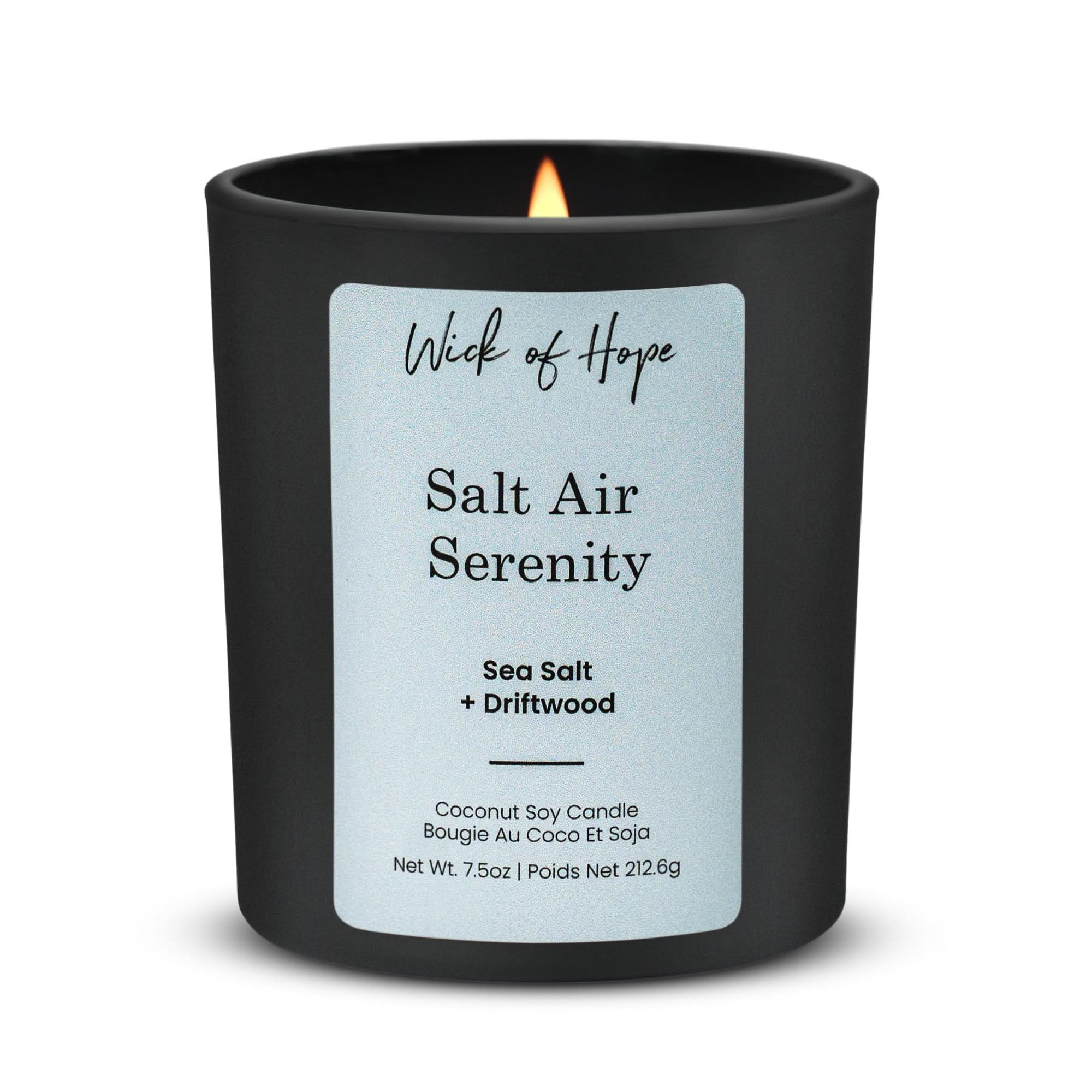
If you have read this far and you are ready to add a clean-burning candle to your routine, Wickofhope’s coconut-soy candles are a natural fit for everything this article covers. They burn clean, throw scent beautifully, and come in fragrance families that layer well with diffusers — from fresh citrus and herbal notes to warm woods and ambers.
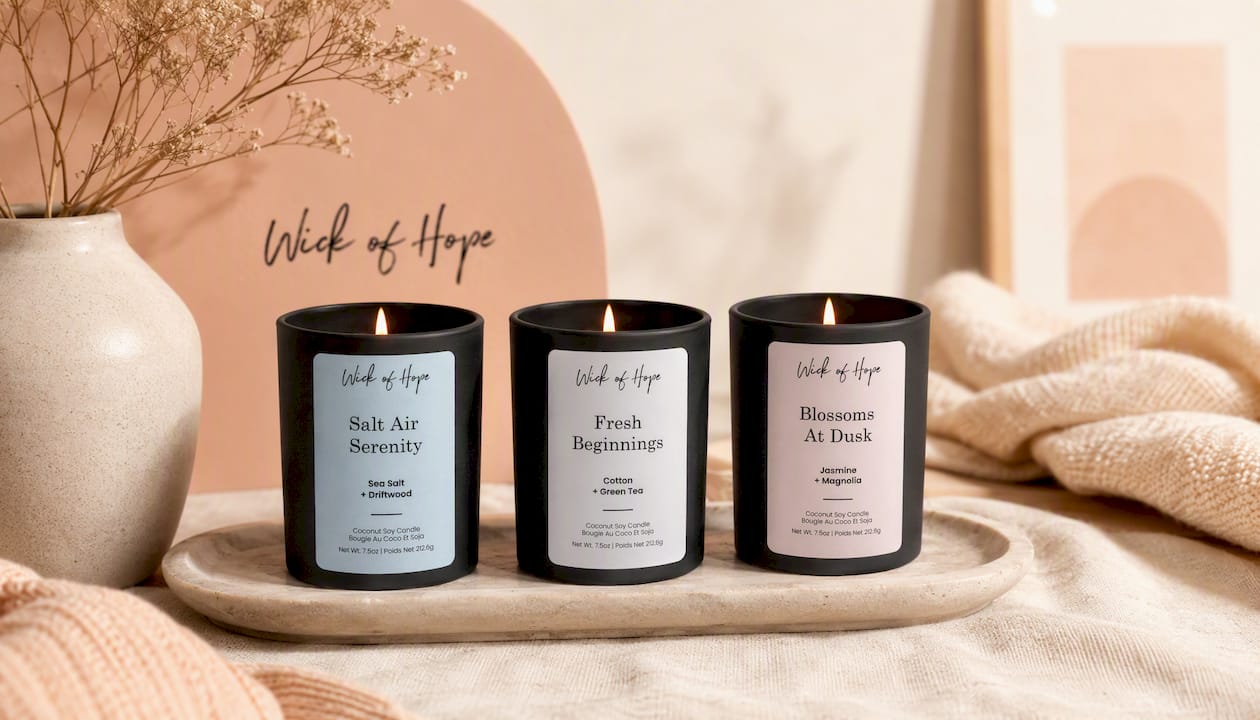
Every candle is made with FSC-certified wooden wicks, vegan ingredients, and biodegradable packaging. The wooden wick creates a wider melt pool than standard cotton wicks, which means a stronger, more even scent throw from the first burn. For households with pets, Wickofhope’s pet-conscious candle range is formulated with your animals in mind.
Browse the full range of natural coconut-soy candles and find the scent that fits your space. Each purchase also supports women and children escaping crisis — so the candle you light at home does something meaningful beyond your four walls.
Sources
- Essential Oil Diffuser vs Candle: The Honest Verdict - Organic Aromas
- Psychology/Aromatherapy study (1996) — APA PsycNet


