


Yes, wooden wicks crackle. The soft, campfire-like pop you hear comes from tiny air and moisture pockets inside the wood expanding as they heat. Your best immediate move: test a multi-ply or booster-style wooden wick in your usual vessel with the wax you already use, and adjust from there.
Here is what to try first:
- Verdict: Wooden wicks produce a consistent crackling sound when sized correctly for your vessel and wax.
- Next action: Swap a single-ply wick for a multi-ply or booster format in the same jar and run a side-by-side burn test.
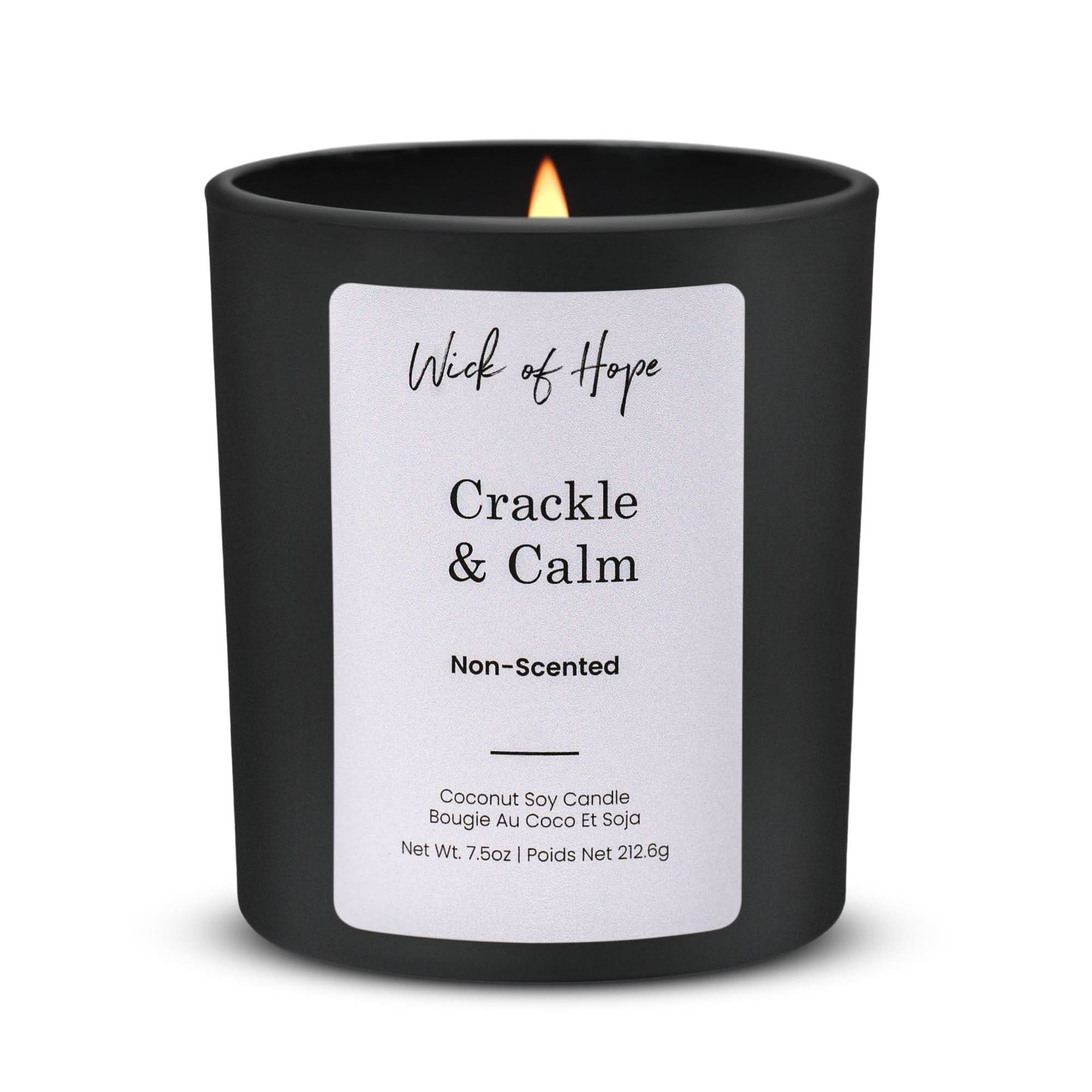
- Ready-made reference: Wickofhope’s Crackle & Calm Candle (unscented) shows exactly what a well-set wooden wick sounds and burns like, straight out of the box.
Key Takeaways
The most reliable wooden wick crackle comes from pairing a multi-ply or booster-format wick with the right vessel size, using a light wax prime, and allowing a full melt pool on the first burn.
| Point | Details |
|---|---|
| Wick format drives crackle | Multi-ply and booster wicks produce a stronger, more consistent pop than single-ply strips. |
| Wax type changes the sound | Soy and coconut-soy blends muffle crackle slightly; size up one wick width to compensate. |
| Prime lightly, not heavily | A brief wax dip stabilizes ignition; over-priming or fragrance-oil soaking silences the crackle. |
| First burn sets the melt pool | Allow the wax to reach the full vessel diameter before extinguishing, up to three hours. |
| Wickofhope as your baseline | The Crackle & Calm Candle (unscented) uses FSC wood wicks in coconut-soy wax. |
Table of Contents
- What are wooden wicks, and what formats will you encounter?
- Why do wooden wicks crackle, and what controls the sound?
- How do you choose a wooden wick for a strong, reliable crackle?
- Step-by-step setup and burn routine for the best crackle
- Troubleshooting: why isn’t your wooden wick crackling, or why does it keep going out?
- Safety, soot, and maintenance for wooden-wick candles
- Why Wickofhope chooses FSC wood wicks and coconut-soy blends
- The crackle you want is closer than most guides admit
- Wickofhope’s Crackle & Calm Candle is worth your attention
- Sources
What are wooden wicks, and what formats will you encounter?
The terms get used interchangeably, so here is a quick map. A wooden wick (also called a crackle wick or wooden slab wick) is a flat strip of natural wood that replaces a cotton wick inside a candle vessel. A booster wick adds a second strip alongside the primary wick to amplify heat and sound. A tab-style wooden wick comes pre-mounted on a small metal tab, usually stainless steel, that anchors it to the container floor.
The main physical formats you will find at suppliers:
- Single-ply strip: One thin layer of wood; quieter crackle, good for small jars under 3 inches in diameter.
- Multi-ply laminate: Two or more thin layers bonded together; more micro-gaps mean a stronger, more pronounced pop.
- Slab/flat wick: A wider, thicker piece of wood; produces a wide flame and a deep, resonant crackle suited to large vessels.
- Booster strip: A secondary strip placed beside the primary wick; raises heat output and crackle intensity without changing the wick’s width.
- Tab-mounted: Any of the above pre-attached to a stainless-steel sustainer tab; the tab keeps the wick centered and upright during pouring and burning.
Photo note: A side-by-side image of a slab wick (wide, flat piece) next to a tab-mounted multi-ply strip shows the size difference clearly. Caption: “Left: slab wick for wide vessels. Right: tab-mounted multi-ply for standard jar candles.”
Why do wooden wicks crackle, and what controls the sound?
The crackling sound comes from tiny pockets of air and moisture trapped inside the wood’s cellular structure. As the flame heats the wick, those pockets expand rapidly and escape, producing a small pop at a micro scale. Stack dozens of those pops per minute and you get the campfire ambiance people love.
Four variables shape how loud and consistent that sound is:
- Wood ply structure: Multi-ply wicks have bonded layer edges that create more sites for gas pockets to escape, so the crackle is stronger and more frequent than with a single-ply strip.
- Moisture content: Wood with a slightly higher natural moisture level pops more readily. Over-dried or kiln-treated wood can go nearly silent.
- Heat distribution: A wider flame heats more wood surface at once, releasing more pockets simultaneously and producing a fuller sound.
- Wax impedance: Dense, high-viscosity waxes slow the rate at which heat reaches the wick base, which can muffle the pop. Lighter waxes let heat travel faster.
Fragrance load matters here too. Over-priming a wick or saturating it with fragrance oil fills the wood’s pores and leaves fewer air pockets to pop, which is one of the most common reasons a crackle wick goes quiet.
Pro Tip: Place your candle away from open windows or air vents. A steady draft does not just risk extinguishing the flame; it disrupts the heat cone around the wick and reduces the frequency of pops. Calm air gives the wick time to heat evenly and crackle more consistently.
How do you choose a wooden wick for a strong, reliable crackle?
Start with one rule: the wick must produce a full melt pool across the vessel’s diameter within two to three hours without overheating the wax or throwing an oversized flame. Everything else follows from that.
Matching wick format to vessel size
| Vessel diameter | Recommended format | Expected crackle intensity |
|---|---|---|
| smaller diameter | Single-ply, narrow | Soft, subtle |
| medium diameter range | Single-ply medium or multi-ply | Moderate |
| larger diameter range | Multi-ply or booster | Pronounced |
| largest vessels | Slab or double booster | Deep, campfire-level |
Multi-ply wicks produce a stronger, more consistent crackle because the layered structure creates more micro-gaps where expanding gases escape. For wider vessels, a slab or booster format reaches the edges of the melt pool without requiring an excessively tall flame.
Wax compatibility and how it shapes the sound
Wax type directly affects crackle intensity. Paraffin, being harder and lower in viscosity when melted, typically allows the loudest crackle. Soy and coconut-soy blends are softer and slightly muffle the sound, so you may need to size up one wick width or switch to a multi-ply format to compensate. Beeswax sits in the middle: it burns hot and clean, which supports a good crackle, but its density can require a wider wick than you might expect. Some commercial crackling wicks are specifically designed for soy and beeswax containers, which is worth checking on supplier product pages before you order.
- Soy wax: Size up one width from the supplier’s baseline recommendation.
- Coconut-soy blend: Similar to soy; multi-ply format preferred for reliable sound.
- Beeswax: Burns hot; test the supplier’s mid-range recommendation first.
- Paraffin: Loudest crackle; standard sizing usually works without adjustment.
Tab styles and centering
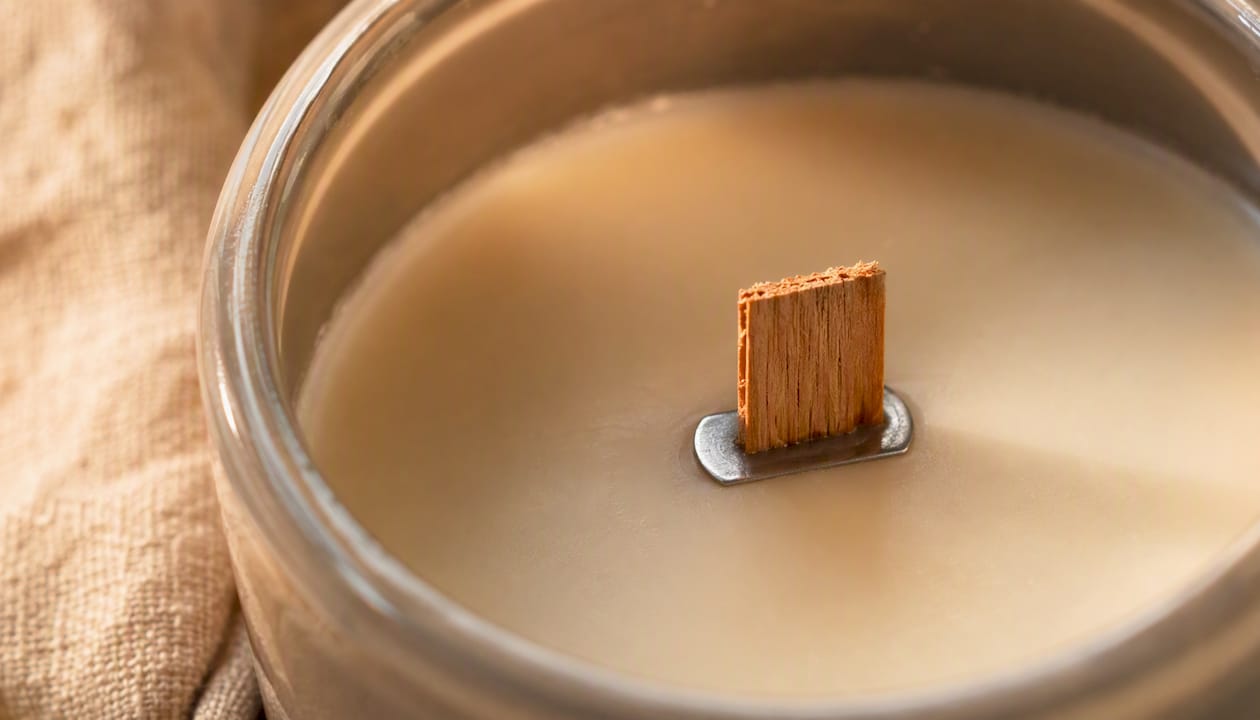
A stainless-steel sustainer tab keeps the wick anchored and centered during the pour, which matters more than it sounds. A wick that drifts even a quarter-inch off-center burns unevenly, creates a lopsided melt pool, and reduces crackle consistency on the cooler side of the jar. Tab-mounted wicks are the easiest format for beginners and small-batch makers to work with reliably.
Step-by-step setup and burn routine for the best crackle
Getting the crackle right starts before you light the candle. Follow this sequence:
- Clean the vessel. Remove any dust, oil, or residue. A clean glass surface helps the tab adhesive bond properly and prevents contamination of the wax.
- Attach the wick. Press the stainless-steel tab firmly to the center of the container floor using a wick sticker or a small dot of hot glue. Let it set for at least two minutes before pouring.
- Prime the wick lightly. Dip the wood strip briefly into a small amount of melted wax, then let it dry completely. A light wax dip stabilizes ignition and helps the flame catch evenly. Do not soak the wick or dip it in fragrance oil; over-priming fills the wood’s pores and kills the crackle.
- Pour at the right temperature. Follow your wax supplier’s recommended pour temperature. Pouring too hot can warp the wick; too cool causes adhesion issues around the base.
- Cure before the first burn. Allow the candle to cure for at least 48 hours, longer for coconut-soy blends, so the wax fully bonds to the wick and the vessel wall.
- Trim to the correct height. Before lighting, trim the wick to a short height recommended by suppliers. A wick that is too tall produces a large, smoky flame; too short and it may not stay lit.
First-burn protocol
The first burn sets the “memory” of the wax. Allow the melt pool to reach the full diameter of the vessel before extinguishing, which typically takes two to three hours for a standard jar. Stopping early creates a tunnel that persists through every subsequent burn and reduces both scent throw and crackle.
Safety note: Wooden wicks produce a slightly wider flame than cotton wicks and can occasionally throw a small spark. Never leave a burning candle unattended, keep it away from children and pets, and burn on a heat-safe surface.
Pro Tip: For the first burn, aim for the full melt pool but stop at the three-hour mark even if the pool is not quite edge-to-edge. Burning longer than three hours on the first session can overheat the wax near the wick base and leave a carbon ring that reduces crackle on future burns.
Troubleshooting: why isn’t your wooden wick crackling, or why does it keep going out?
A wooden wick that burns silently or extinguishes itself is almost always a sizing or preparation problem, not a defective wick. Diagnose one variable at a time.
The wick is too long. A wick trimmed too long draws too much wax too fast, produces a large, unstable flame, and actually suppresses the micro-pops because the wood burns rather than heats gradually. Trim down and retest.
The wick is too short. wick trimmed too short, the flame cannot sustain itself in the wax pool and keeps drowning out. Gently scrape away any mushroomed carbon tip and relight.
Wrong wick format for the wax. Soy and high-viscosity blends can muffle crackle when paired with a single-ply wick. Switch to a multi-ply or booster format and run a fresh test burn.
Over-saturated primer. If you dipped the wick in fragrance oil or soaked it in melted wax for more than a few seconds, the pores are blocked. Start with a fresh, unprimed wick and use only a brief wax dip.
Reduce the fragrance load by a few percentage points and test again.
Draft interference. Even a gentle air current from an HVAC vent can push the flame sideways, cool the wick unevenly, and cause repeated self-extinguishing. Move the candle to a still spot and retest.
Wax too hard. A high-melt-point wax that does not liquefy quickly around the wick base starves the flame. Try sizing up one wick width or switching to a softer wax blend.
The single most useful troubleshooting habit: change only one variable per test burn. If you swap the wick size AND reduce the fragrance load at the same time, you will not know which fix worked. Document each burn with the wick format, wax batch, fragrance percentage, and trim height, and you will find the answer within three or four tests.
Safety, soot, and maintenance for wooden-wick candles
Wooden wicks burn differently from cotton wicks, and a few habits keep them safe and performing well over time.
Safety basics:
- Wooden wicks produce a wider, lower flame that can occasionally flicker and throw a tiny spark, especially on the first light. Keep the candle away from flammable materials, curtains, and paper.
- Never burn longer than four hours in a single session. Extended burns overheat the vessel and can cause cracking in glass containers.
- Keep candles out of reach of children and pets at all times.
- Never leave a burning candle unattended, even briefly.
Extinguishing correctly: Use a wick dipper or snuffer to extinguish wooden-wick candles. Blowing them out can send a spark or a small ember onto nearby surfaces. A wick dipper also lets you re-center the wick while the wax is still liquid, which helps the next burn stay even.
Maintenance between burns:
- Trim the wick to 1/8–3/16 of an inch before every burn. A longer wick produces excess soot and a flame that is too large for the vessel.
- If you notice black soot on the inside of the glass, trim the wick shorter and check for drafts. Persistent sooting usually means the wick is too long or the candle is sitting in moving air.
- Wipe the inside rim of the vessel with a dry cloth if soot builds up. This keeps the glass clear and prevents residue from falling into the wax pool.
For a full safety checklist, Wickofhope’s candle safety guide covers ten key checks before every light.
Why Wickofhope chooses FSC wood wicks and coconut-soy blends
Wickofhope uses FSC-certified wooden wicks paired with a natural coconut-soy wax blend, and the pairing is deliberate. FSC certification means the wood is sourced from responsibly managed forests, which matters both for environmental reasons and for wick consistency: sustainably harvested wood tends to have more uniform moisture content, which translates directly to a more reliable crackle from candle to candle.
Coconut-soy wax burns cooler and cleaner than paraffin, which reduces soot and keeps the air in your home free of the toxins common in mass-produced candles. The tradeoff is a slightly softer crackle compared to paraffin, which is why Wickofhope’s wick selection leans toward multi-ply formats that compensate for the wax’s higher viscosity.
Key product details worth knowing:
- Wax blend: Natural coconut-soy, vegan, and cruelty-free.
- Wick type: FSC-certified wooden wicks, tab-mounted for centering stability.
- Packaging: Biodegradable, plastic-free.
- Social impact: Every purchase supports women and children escaping crisis.
⭐ excellent customer ratings from hundreds of verified purchasers — a signal that the crackle, scent throw, and clean-burn performance hold up across a wide range of home environments.
The brand’s wooden wick benefits guide goes deeper on material choices and burn performance, and the brand’s reasoning for wooden wicks explains the selection process in plain language.
The crackle you want is closer than most guides admit
Most wooden-wick tutorials spend too much time on the romance of the campfire sound and not enough on the one thing that actually determines whether you hear it: wick format matched to wax type. Single-ply wicks in soy wax are the most common setup beginners try, and they are also the most likely to disappoint. The wood is too thin, the wax is too viscous, and the result is a faint hiss at best.
The fix is not complicated. Move to a multi-ply or booster format, size it for a full melt pool, and use a light wax prime rather than a fragrance-oil soak. That combination produces the crackle reliably, regardless of whether you are working with coconut-soy, beeswax, or a soy blend. The troubleshooting section of this guide exists because most problems trace back to those same two variables: wick format and fragrance load. Fix those first before changing anything else.
One more thing worth saying plainly: the “clean burn” conversation and the “loud crackle” conversation are not in conflict. FSC-certified wood wicks in a coconut-soy blend can produce a satisfying, consistent pop without the soot or toxins that come with paraffin. You do not have to choose between a good sound and a clean home.
Wickofhope’s Crackle & Calm Candle is worth your attention
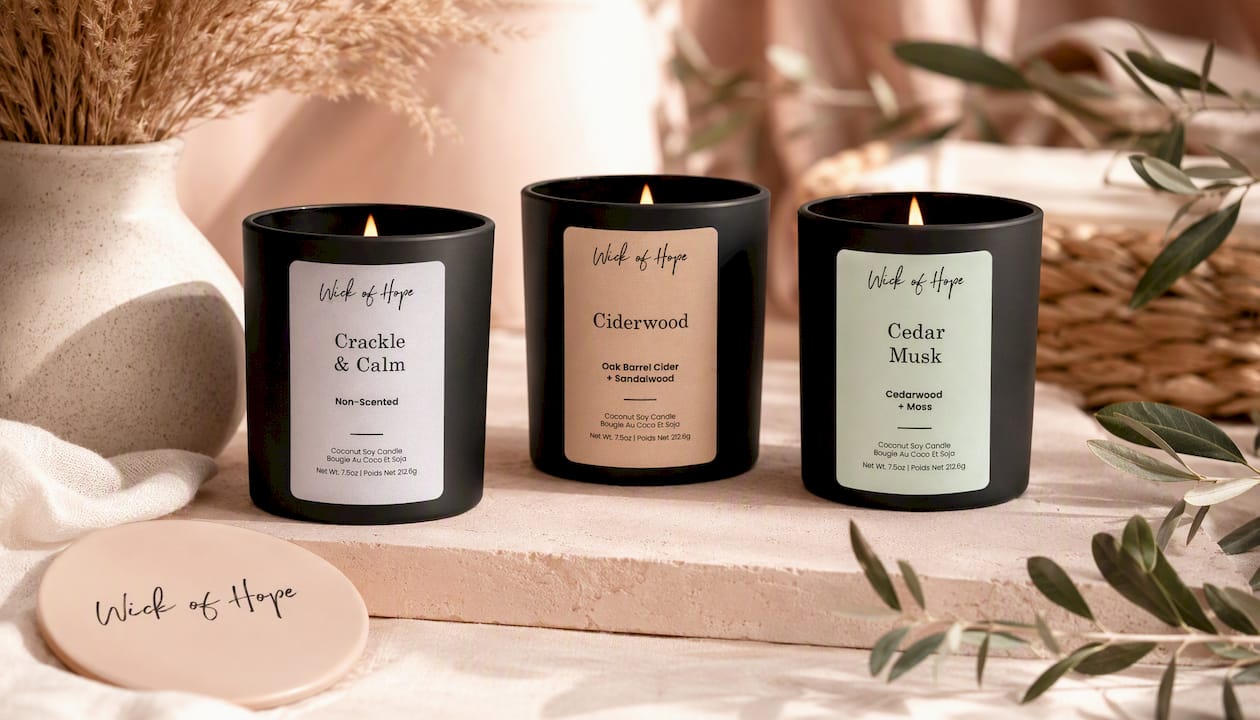
If you want a finished reference point before committing to a full DIY batch, the Crackle & Calm Candle from Wickofhope is the cleanest example of what a well-set wooden wick sounds and burns like. It is unscented, which makes it ideal for makers who want to isolate the crackle experience without fragrance variables, and for anyone who prefers a pure, sensory burn at home.
Product specs at a glance:
- Wax: Natural coconut-soy blend, non-toxic and vegan.
- Wick: FSC-certified wooden wick, tab-mounted for stability.
- Crackle intensity: Moderate to pronounced, consistent across burns.
- Safety: Low soot, clean burn, biodegradable packaging.
Every Wickofhope purchase supports women and children escaping crisis. For a fragranced option with the same wooden-wick crackle, the Ciderwood Candle (Oak Barrel Cider + Sandalwood) and the Cedar Musk Candle (Cedarwood + Moss) both pair woody, grounding scents with the same FSC-certified wick setup. Shop the full collection at Wickofhope and use the Crackle & Calm as your baseline burn test.
Sources
- Wooden Wick Candle Making: Complete Guide to Crackling Candles
- Wood Wicks For Beginners • Armatage Candle Company
- Natural Crackling Wood Wicks | Candle Supplies


