


For most conscious buyers in the United States, Wickofhope is the recommended pick for candles that are both cruelty-free (no animal testing at any stage) and vegan (no animal-derived ingredients), offering genuinely clean-burning and ethically made options. Third-party certifications such as Leaping Bunny or PETA’s cruelty-free listing are the gold standard for verifying these claims — and actual ingredient transparency matters as much as the label.
- Cruelty-free and vegan: Wickofhope candles contain no animal-derived ingredients and are made without animal testing at any stage.
- Transparent ingredients: Natural coconut soy wax, FSC-certified wooden wicks, and clearly disclosed fragrance options give you full visibility into what you’re burning.
- Available now in the U.S.: Order directly from Wickofhope with shipping across the United States.
Key Takeaways
The most trustworthy cruelty-free candles combine verified no-animal-testing status, fully plant-based ingredients, clean-burning wax and wicks, and transparent fragrance sourcing — and Wickofhope meets all four criteria.
| Point | Details |
|---|---|
| Cruelty-free vs. vegan | These are separate claims; a candle must meet both to be genuinely ethical on both counts. |
| Label red flags | “Wax blend,” “fragrance” alone, and unlisted wick materials are signals to investigate further before buying. |
| Verification tools | Use PETA’s candle filter and Leaping Bunny’s certified brand list to confirm any brand’s cruelty-free status. |
| Pet and family safety | Unscented or low-fragrance options with plant-based wax are the safest choice for homes with pets, babies, or sensitivities. |
| Wickofhope | Rated 4.9 stars from over 650 reviews; coconut soy wax, FSC-certified wooden wicks, phthalate-free fragrance, and biodegradable packaging. |
Table of Contents
- What makes Wickofhope the best cruelty-free candle pick?
- What do “cruelty-free” and “vegan” actually mean for candles?
- How to read candle labels and spot hidden ingredients
- 7 things to confirm before you buy any cruelty-free candle
- Candle safety for homes with pets, children, or sensitivities
- Price ranges and where to buy cruelty-free candles in the U.S.
- Why Wickofhope earned the featured pick here
- How candle production affects the environment
- Why this matters more than most people realize
- Clean-burning candles that give back
- Authoritative resources to verify cruelty-free and ingredient claims
- Sources
What makes Wickofhope the best cruelty-free candle pick?
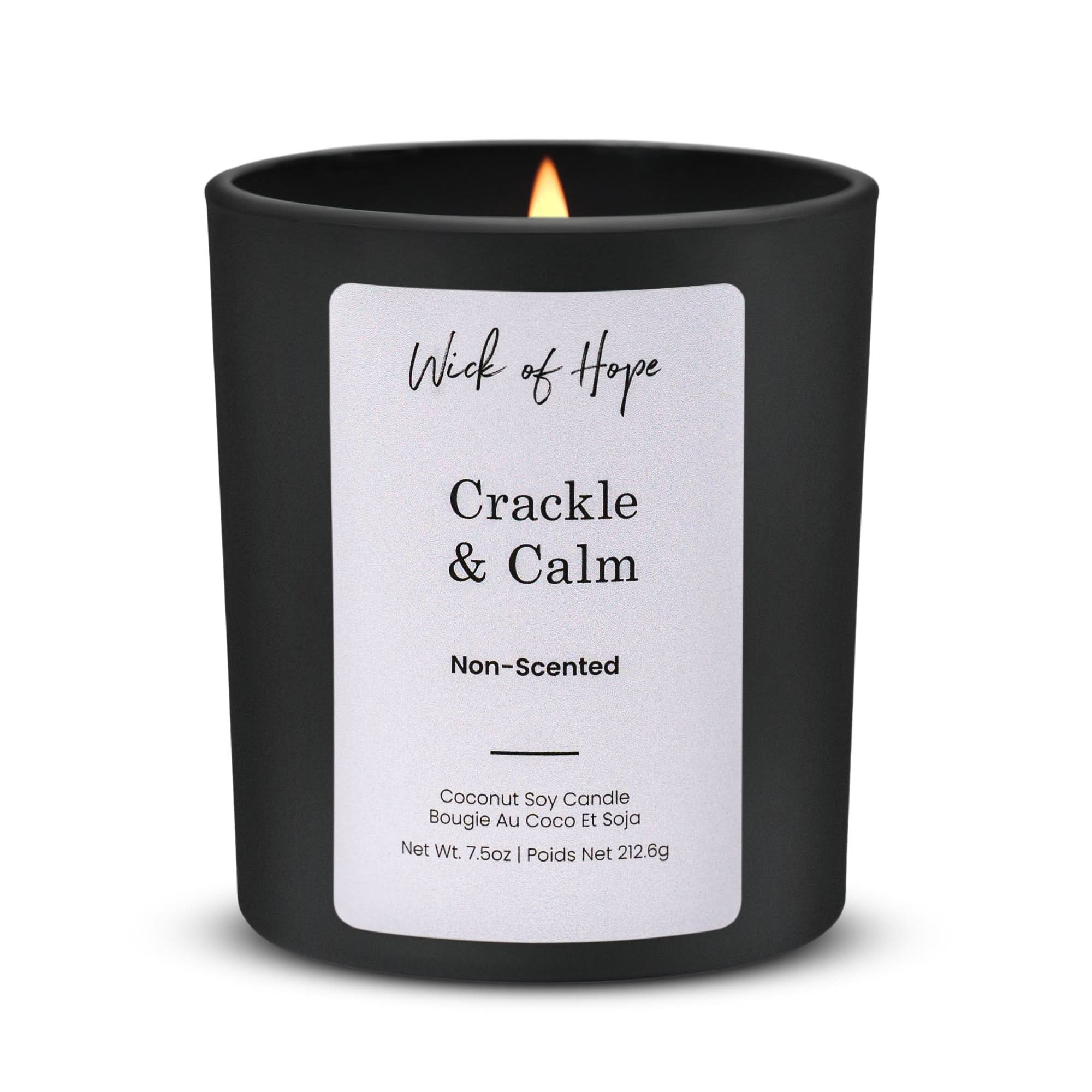
Wickofhope candles are built on a short, honest ingredient list. Here’s what’s inside each one:
- Wax base: 100% natural coconut soy wax blend (plant-based, no paraffin)
- Wick: FSC-certified wooden wick (lead-free, no metal core)
- Fragrance: Phthalate-free fragrance oils and essential oil options
- Packaging: Biodegradable, recyclable materials
- Sizes: Available in popular 8 oz formats; bundles and gift sets also offered
- Scent options: Multiple fragrances plus unscented options for sensitive households
Pros: Clean-burning with no toxic byproducts, crackling wooden wick for a restorative sensory experience, fully vegan and cruelty-free, biodegradable packaging, strong scent throw for the size.
Cons: Premium price point compared to mass-market candles; direct-to-consumer model means you won’t find these on big-box shelves.
Wickofhope holds a very high customer rating with hundreds of reviews, which many buyers find a meaningful trust signal when purchasing a candle unseen. Pricing sits in the mid-to-premium range typical for clean-burning candles of this quality. Bundles and gift sets are available for buyers who want to stock up or give a thoughtful, values-aligned gift.
Pro Tip: Check the 8 oz wooden wick collection first — it’s the most popular size and gives you the best burn-time value per dollar.
What do “cruelty-free” and “vegan” actually mean for candles?
These two terms are often used interchangeably, but they describe different things. Getting them straight helps you shop with confidence.
Cruelty-free means no animal testing at any stage of production, including ingredient sourcing and finished-product testing. Third-party programs like Leaping Bunny are the established certification standard for this claim. A brand can self-declare “cruelty-free,” but only a third-party certification gives you independent verification.
Vegan means the product contains no animal-derived ingredients whatsoever. For candles, that list of ingredients to watch for is longer than most people expect:
- Beeswax: Common in “natural” candles; not vegan
- Tallow: Rendered animal fat, sometimes used in lower-cost wax blends
- Stearic acid: Often plant-derived, but animal-sourced versions exist and labels rarely specify
- Casein: A milk protein occasionally used in processing; rarely listed explicitly
Here’s the gap that catches buyers off guard: a candle can be cruelty-free but not vegan. A beeswax candle, for example, involves no animal testing but does use an animal-derived ingredient. The reverse is also possible — a brand could use plant-based ingredients but still test on animals at some stage of development. Fragrance-industry guidance confirms that cruelty-free and vegan are separate declarations, and brands should be able to provide both independently.
PETA’s searchable database lets you filter by product type, including candles, so you can cross-check any brand’s claim in seconds.
How to read candle labels and spot hidden ingredients
Labels can be genuinely misleading. “Natural,” “clean,” and even “non-toxic” have no regulated definition in the U.S. candle market. Here’s what to actually look for:
Label checkpoints:
- Wax language: “100% coconut wax” or “100% soy wax” is clear. “Wax blend” with no further detail is a red flag — it could include paraffin.
- Fragrance language: “Fragrance” as a single ingredient can legally hide dozens of undisclosed chemicals, including phthalates and synthetic musks. Look for “phthalate-free fragrance” or a brand that lists individual fragrance components.
- Wick construction: “Cotton wick” or “wooden wick” is good. Avoid any wick with a metal core, which can release trace heavy metals when burned.
- Certification logos: Look for Leaping Bunny, PETA’s cruelty-free bunny, MADE SAFE, or USDA BioPreferred. Each logo should link to a verifiable listing on the certifying organization’s website.
- Ingredient transparency: Brands that publish a full ingredient list or link to a safety data sheet are showing you something most mass-market brands won’t.
Decoding common label phrases:
| Label Phrase | What It Usually Means | What to Do |
|---|---|---|
| “Wax blend” | May include paraffin; origin unclear | Ask the brand for the full wax composition |
| “100% coconut soy wax” | Plant-based, no paraffin | Confirmed clean wax base |
| “Fragrance” (alone) | Could contain phthalates or animal-derived musks | Look for “phthalate-free” or a full disclosure |
| “Natural fragrance” | Loosely defined; not always vegan | Request a vegan declaration from the brand |
| “Lead-free wick” | No metal core | Good signal; confirm it’s cotton or wood |
Reviewers of non-toxic candles consistently flag that “cruelty-free” or “vegan” labeling does not automatically mean a candle is nontoxic. Paraffin, phthalates, synthetic dyes, and metal-core wicks are separate concerns you need to check independently.
Pro Tip: The word “fragrance” on a candle label is a legal catch-all. Brands that care about transparency will specify “phthalate-free fragrance” or list their fragrance components. If a label just says “fragrance,” check the brand’s ingredient transparency page or contact them directly before buying.
You can also use PETA’s company-level listings as a model for how individual brand verifications work — each page confirms whether a company avoids animal testing, giving you a reliable second source beyond the label itself.
7 things to confirm before you buy any cruelty-free candle
Think of this as your quick shopping checklist. Run through it before you add anything to your cart.
- Wax type: Is it 100% plant-based (soy, coconut, or a named plant blend)? No paraffin?
- Cruelty-free certification: Is the brand listed on Leaping Bunny or PETA’s database, or does it carry a verifiable third-party logo?
- Vegan status: Does the brand explicitly confirm no animal-derived ingredients, including in fragrance oils?
- Wick material: Is it a wooden or cotton wick with no metal core?
- Fragrance source: Is the fragrance phthalate-free? Does the brand disclose components or offer essential-oil options?
- Burn time: What’s the rated burn time in hours? A longer burn time at a slightly higher price often costs less per hour than a cheap candle that burns fast.
- Packaging: Is the packaging recyclable, compostable, or biodegradable?
Pro Tip: Compare price per burn hour, not sticker price. Divide the candle’s cost by its rated burn hours. A $28 candle with a 50-hour burn time costs $0.56/hour. A $14 candle with a 20-hour burn time costs $0.70/hour. The “cheaper” option often isn’t.
When in doubt about any ingredient, contact the brand directly. Transparent brands respond quickly and specifically. Vague or evasive answers are a signal worth heeding.
Candle safety for homes with pets, children, or sensitivities
Cruelty-free and vegan status tells you about ethics. Safety around your household is a separate, equally important question.
Core safety practices for any candle:
- Always burn candles in a well-ventilated room
- Never leave a burning candle unattended
- Keep candles out of reach of children and pets
- Trim wooden wicks to about 1/4 inch before each burn to prevent excess smoke
- Place candles on a stable, heat-resistant surface away from flammable materials
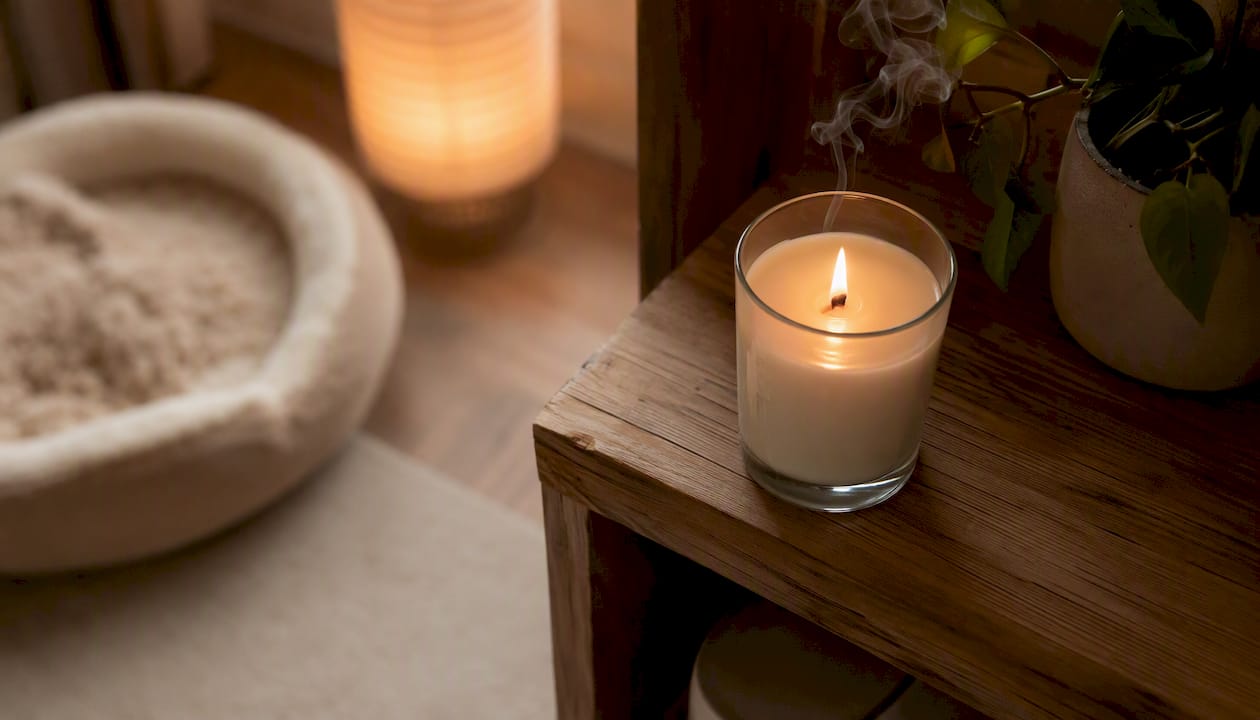
For pet owners specifically: Some essential oils commonly used in candles can be harmful to dogs and cats, including tea tree, eucalyptus, clove, and certain citrus oils. Cats are particularly sensitive because they lack the liver enzymes needed to metabolize certain compounds. The safest approach for multi-pet households is an unscented candle or one with a very low fragrance load. Wickofhope offers unscented options and has published guidance on dog-safe candle choices to help you navigate scent selection.
For households with babies or people with respiratory sensitivities, clean-burning wax and low-soot wicks make a measurable difference in indoor air quality. Paraffin candles can release benzene and toluene when burned; coconut soy wax burns significantly cleaner.
If anyone in your home has severe chemical sensitivities or a diagnosed respiratory condition, consult a physician before introducing any scented product. This article is general guidance, not medical advice.
Price ranges and where to buy cruelty-free candles in the U.S.
Premium cruelty-free candles in the U.S. generally fall into three price bands based on size and formulation:
- Entry level ($12–$18): Smaller sizes, typically 4–6 oz, single-pour soy or coconut wax, minimal packaging. Good for trying a new scent.
- Mid-range ($20–$35): The most common zone for quality cruelty-free brands. Covers 8–10 oz candles with wooden wicks, phthalate-free fragrance, and thoughtful packaging. Wickofhope sits here.
- Premium ($38+): Larger vessels (10–16 oz), artisan pours, luxury fragrance blends, or limited-edition collections.
Where to buy:
- Direct-to-consumer brand websites: The most reliable channel for verifying ingredients, reading full product descriptions, and accessing bundles or gift sets. You’re buying directly from the source.
- Specialty clean-beauty and wellness retailers: Curated stores (online and brick-and-mortar) that vet brands before stocking them. Good for discovery.
- Subscription boxes: Some clean-living subscription services include cruelty-free candles as featured items, useful for sampling.
Most quality cruelty-free brands ship across the U.S. with standard and expedited options. Many offer bundle pricing that brings the per-candle cost down meaningfully. Wickofhope’s full candle assortment includes individual candles, curated bundles, and gift sets, all available for direct U.S. shipping.
Why Wickofhope earned the featured pick here
The criteria for featuring a cruelty-free candle here were straightforward: full ingredient transparency, verifiable vegan and cruelty-free status, clean-burning materials, and evidence of real customer satisfaction.
Wickofhope met every point:
- Ingredient transparency: The brand publicly discloses its wax base (natural coconut soy), wick type (FSC-certified wood), and fragrance standards (phthalate-free).
- Vegan and cruelty-free: No animal-derived ingredients; no animal testing at any stage.
- Clean-burning materials: No paraffin, no metal-core wicks, no synthetic dyes.
- Customer trust: A 4.9-star rating from over 650 verified reviews is a strong signal of consistent product quality.
The verification steps any buyer can repeat:
- Confirm the full ingredient list on the brand’s product or sustainability page
- Check for a cruelty-free listing on PETA’s database or Leaping Bunny’s certified brand list
- Confirm wick material (wood or cotton, no metal) and wax base (plant-based, no paraffin)
- Review packaging claims (recyclable, biodegradable, or compostable)
Wickofhope’s sustainability and responsibility page lays out sourcing and social impact details that most candle brands simply don’t publish.
How candle production affects the environment
The ethics of a candle don’t stop at animal testing. How the wax is grown, how the fragrance is sourced, and what happens to the packaging after the candle is gone all carry environmental weight.
Wax sourcing matters. Soy wax is often marketed as the sustainable choice, but conventional soy farming has real deforestation concerns, particularly in South America. Coconut wax tends to have a smaller land footprint and is harvested from a crop that doesn’t require clear-cutting. A coconut soy blend, like the one Wickofhope uses, balances scent throw and environmental profile better than either wax alone. Reviewers note that coconut and soy blends are popular precisely because they burn cleaner while maintaining good scent performance.
Fragrance sourcing. Synthetic fragrance ingredients vary widely in environmental impact. Phthalates, beyond their health concerns, are persistent in water systems. Brands that use IFRA-compliant fragrance oils and disclose their components give you a cleaner environmental picture alongside the health one.
Packaging. Glass jars are infinitely recyclable but heavy to ship, which increases carbon footprint per order. Biodegradable or compostable packaging reduces landfill contribution. Wickofhope uses biodegradable packaging, and the glass vessels are reusable after the candle is finished.
What to do with the jar. Clean out residual wax with warm water, remove the wick tab, and the glass is ready to recycle or repurpose. Many buyers use finished candle jars as small planters, pen holders, or bathroom organizers.
Why this matters more than most people realize
Choosing a cruelty-free, vegan candle feels like a small decision. Light it, enjoy the scent, move on. But the cumulative effect of where that candle came from, what’s in it, and how it was made is anything but small.
Most mass-market candles are made with paraffin, a petroleum byproduct, scented with fragrance blends that include phthalates, and wicked with cotton that may contain metal stabilizers. Burning one of those candles in a small room every evening adds up. The shift to plant-based wax, wooden wicks, and transparent fragrance isn’t just an ethical preference. It’s a practical one for anyone who cares about indoor air quality, long-term health, and what their purchasing choices fund.
At Wickofhope, the commitment to clean ingredients is inseparable from the brand’s broader mission. Every candle purchase directly supports women and children escaping crisis situations. That’s not a marketing footnote. It’s the reason the brand exists. Choosing a candle that’s good for your home and good for the world at the same time is exactly the kind of decision that compounds quietly into something meaningful.
Clean-burning candles that give back
Wickofhope offers something the broader cruelty-free candle market rarely combines: genuine ingredient transparency, a crackling wooden wick experience, and a purchase that funds real social change. Every candle is made from natural coconut soy wax, scented with phthalate-free fragrance, and packaged in biodegradable materials — no paraffin, no hidden animal ingredients, no compromises.
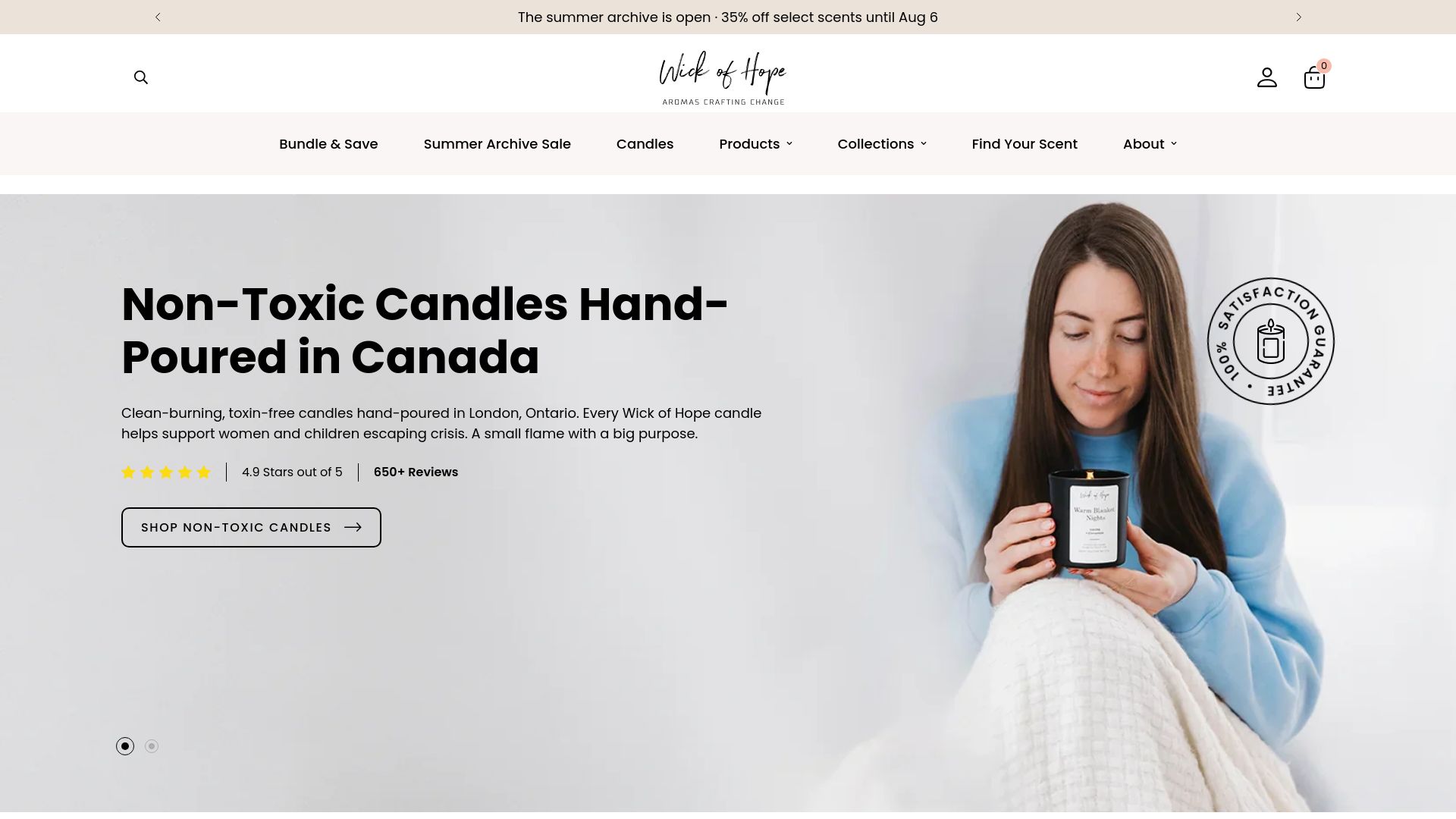
Whether you’re shopping for yourself or looking for a gift that carries meaning, the Wickofhope scented candle collection is the place to start. Each purchase directly supports women and children escaping crisis — so the warmth you bring into your home extends well beyond it. Browse the full collection and find your scent today.
Authoritative resources to verify cruelty-free and ingredient claims
Cross-checking a brand’s claims takes less than five minutes when you know where to look. These sources are the most reliable starting points:
- PETA’s cruelty-free candle filter: Search by product type to find brands that have committed to no animal testing. Individual company pages confirm status for specific brands.
- Leaping Bunny Program: The gold standard for third-party cruelty-free certification. A Leaping Bunny logo means an independent audit, not just a brand’s self-declaration.
- The New Knew — nontoxic candle reviews: Practical roundups that evaluate candles on both ethical and ingredient-safety criteria, including paraffin, phthalates, and wick materials.
- Organic Beauty Lover — non-toxic candle guide: Reviewer-tested guidance on certifications like MADE SAFE and USDA BioPreferred, with practical wax and wick criteria.
- House of Scent — fragrance oil terminology: Industry-level explanation of what “cruelty-free fragrance” means, IFRA compliance, and how to request vegan declarations from fragrance suppliers.
- Brand ingredient pages: Always check the brand’s own transparency or sustainability page alongside third-party listings. Wickofhope’s sustainability page is a good example of what full disclosure looks like.
Sources
- Cruelty-Free Companies by Product Type | PETA
- Cruelty-free
- 2026’s Best Safe, Nontoxic and Organic Candles | The New Knew
- I Tried The Best Non Toxic Candles (here’s What I Liked!) - Organic Beauty Lover
- House of Scent — Understanding fragrance oil terminology


