


To dispose of a used candle in the most eco-friendly way, separate the components, reclaim or contain the wax, and recycle or repurpose the cleaned container only after checking your local rules. That’s the whole framework. Everything else in this guide fills in the details.
Here’s what to do the moment a candle burns out:
- Extinguish and cool completely before touching anything.
- Remove the wick and metal wick tab using a butter knife or tweezers.
- Reclaim or harden the leftover wax: pour it into a silicone mold for reuse, or let it cool and solidify in the jar before scooping it out.
- Check your city or county recycling page to confirm whether your container is accepted curbside, at a drop-off, or not at all.
- Clean the container using one of the methods in Section 3 before placing it in any recycling bin.
Safety first: never pour liquid wax down a drain. It hardens on cooler pipe walls and creates blockages that often need a plumber to fix. Always harden and contain wax before disposal.
Pro Tip: Set a small piece of parchment paper under your candle while it burns. When it’s done, you can slide the cooled wax disc right out and save it for fire starters or wax melts.
Key Takeaways
Eco-friendly candle disposal comes down to three things: separating the components, cleaning the container correctly, and confirming what your local program actually accepts before anything goes in the bin.
| Point | Details |
|---|---|
| Never pour wax down drains | Liquid wax hardens in pipes and causes blockages; always harden and contain it first. |
| Separate every component | Remove wick tabs, wicks, and wax before recycling; mixed materials contaminate the stream. |
| Check local rules first | Municipal programs vary widely; your city’s recycling page overrides any generic advice. |
| Natural wax is compostable | 100% soy, beeswax, or coconut wax with no synthetic additives can go in the compost. |
| Wickofhope simplifies disposal | Coconut soy wax, metal-free wooden wicks, and standard glass make every disposal step easier. |
Table of Contents
- Are all candles recyclable? What the wax type tells you
- How to remove leftover wax and clean your candle container
- Where does each candle component actually go?
- Creative ways to reuse leftover wax and containers
- Safety rules for old, degraded, or chemically treated candles
- How to use TerraCycle, retailer take-backs, and municipal drop-offs
- What to look for when buying candles to make disposal easier
- Why disposal is part of the candle’s story
- Wickofhope candles make the whole process simpler
- Useful resources for finding local disposal options
- Sources
Are all candles recyclable? What the wax type tells you
The material inside and around your candle determines whether it heads to the compost bin, the recycling stream, or the trash. Getting this right is the foundation of genuinely sustainable candle disposal.
Wax types and their end-of-life paths
Natural waxes like soy, beeswax, and coconut can be composted only when they are 100% natural and free of toxic fragrances or glitter. Paraffin is a petroleum byproduct and belongs in the trash. Gel wax is polymer-based and goes the same route.
Container recyclability at a glance
- Standard glass jars (like most candle vessels): often accepted curbside once clean, but not universally.
- Heat-resistant or borosilicate glass (thick, specialty vessels): usually rejected by standard recycling streams because it melts at a different temperature than regular glass.
- Metal tins and lids: generally recyclable after cleaning, but small lids may fall through sorting equipment.
- Wick tabs (small metal discs): these contaminate glass recycling if left in the jar. Remove them before recycling.
The most important caveat: local transfer stations and municipal tools are the definitive source for what your area actually accepts. Generic advice is a starting point, not a guarantee.
Pro Tip: Search “[your city] + candle jar recycling” or use your municipality’s “What to Recycle” lookup tool. Many cities have a searchable database where you type in the item and get a specific answer.
How to remove leftover wax and clean your candle container
Clean containers are the difference between a jar that gets recycled and one that contaminates an entire batch. Removing wax and wick tabs before recycling is the step most people skip, and it’s the one that matters most.
Method 1: Freeze and pop (easiest, best for thick jars)
- Place the candle jar in the freezer for several hours.
- The wax contracts and pulls away from the glass walls.
- Flip the jar upside down over a paper towel. The wax disc often falls out on its own.
- Use a butter knife to gently pry out any remaining pieces. Work slowly to avoid scratching the glass.
- Wipe the interior with a dry paper towel, then wash with warm soapy water.
Method 2: Hot water skim (good for shallow wax remnants)
- Boil water and pour it carefully into the jar, leaving an inch of space at the top.
- The wax melts and floats to the surface. Let it cool completely.
- Lift the solidified wax disc off the water’s surface and discard it in the trash (not the drain).
- Pour the cooled water out and wash the jar normally.
Safety note: never use boiling water in a cold glass jar without warming it first. A sudden temperature change can crack the glass. Rinse with warm water before adding hot.
Method 3: Oven or double boiler (best for multiple jars at once)
- Preheat your oven to 180°F. Line a baking sheet with aluminum foil.
- Place jars upside down on the foil. The wax melts and drips onto the sheet.
- Remove carefully with oven mitts. Wipe the interior while still warm.
- Alternatively, place the jar in a pot of simmering water (double boiler style) until the wax melts, then pour the liquid wax into a heat-safe container lined with parchment for reuse.
Removing the wick tab
Pry the metal disc off the bottom of the jar with a butter knife after the wax is gone. It usually lifts with light pressure. This step matters because metal wick tabs can cause automated recycling sorters to reject an otherwise clean glass jar.
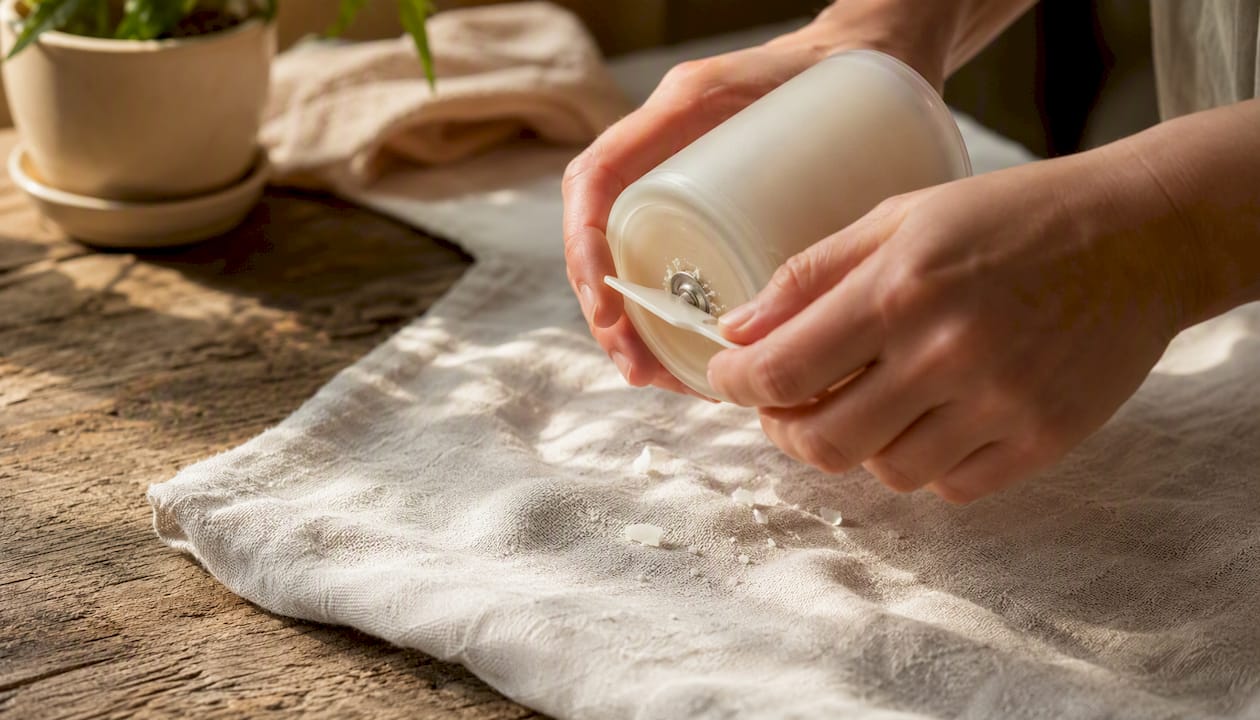
For label removal, soak the jar in warm water for a few minutes, then peel. A small amount of rubbing alcohol or a product like Goo Gone removes stubborn adhesive residue.
Pro Tip: For a detailed walkthrough on removing wax from glass jars and prepping them for reuse, Wickofhope’s step-by-step guide covers every container type.
Where does each candle component actually go?
Every part of a used candle has a different destination. Here’s the honest breakdown:
- Glass jar (clean, standard glass): curbside recycling if your municipality accepts it, or a local glass drop-off. Some curbside programs reject glass entirely; check first.
- Glass jar (specialty or heat-resistant): do not place in standard recycling. Look for a specialty glass drop-off or repurpose it.
- Metal tin: clean and recycle curbside. Tins are widely accepted.
- Metal lid: recycle if it’s large enough (roughly 3 inches or wider). Smaller lids often fall through sorting equipment; nest them inside a larger can before recycling.
- Cotton wick: compostable if it’s 100% cotton with no metal core. Trash it if you’re unsure.
- Wick tab (metal disc): too small for most recycling streams. Trash it.
- Natural wax scraps (soy, beeswax, coconut, no synthetic additives): compostable in small amounts, or save for reuse projects.
- Paraffin or gel wax scraps: trash. Not compostable, not recyclable.
- Glitter, dye, or plastic-embedded wax: trash, no exceptions.
- Cardboard or paper packaging: recycle or compost.
- Biodegradable packaging (like kraft paper or tissue): compost.
When to use TerraCycle: if your local recycling rejects the container, TerraCycle’s Zero Waste Box programs accept hard-to-recycle items by mail. Check their website for current candle-specific programs and verify that your container type is eligible before shipping.
When to escalate to HHW: candles with solvent-based dyes, heavy synthetic fragrance oils, or unknown chemical additives may qualify for Household Hazardous Waste drop-off. HHW facilities often operate on seasonal schedules and require proof of residency, so check your local program’s calendar before making the trip.
Creative ways to reuse leftover wax and containers
Before anything goes in the bin, consider what it can still do. Reuse is always a step above recycling in the waste hierarchy, and most of these projects take under ten minutes.
Leftover wax projects:
- Wax melts: pour melted wax into a silicone ice cube tray. Once solid, pop them out and use in any wax warmer.
- Fire starters: dip cotton balls or small pinecones into melted wax and let them harden. They light easily and burn long enough to start a campfire or fireplace.
- New candles: melt and combine wax scraps, add a new wick, and pour into a heat-safe mold. Natural waxes blend well; avoid mixing paraffin with natural waxes.
- Drawer lubricant: rub a small piece of solid wax along sticky drawer slides or squeaky hinges. Works surprisingly well and uses up even tiny scraps. Community reuse programs have even found ways to repurpose wax into skateboard wax and similar products.
Container repurpose ideas:
- Herb or succulent planter: add a small drainage layer of pebbles and pot directly into the jar.
- Desk organizer: clean jars hold pens, brushes, scissors, or craft supplies neatly.
- Gift packaging: a clean jar with a ribbon and a small candle or bath product inside makes a thoughtful, zero-waste gift container.
Safety rules for old, degraded, or chemically treated candles
Not every candle deserves a second life in the compost or a craft project. Some need to go straight to the trash or to a hazardous waste facility.
When to trash the wax outright:
- The candle is very old and the wax has yellowed or cracked significantly.
- It contains strong synthetic fragrance oils you can’t identify.
- The wax has visible glitter, plastic confetti, or embedded decorative elements.
- It’s a gel candle or a wax blend with unknown additives.
Metal-core wicks: a specific hazard. Older candles, particularly those made before 2003, sometimes contain lead-core wicks. The U.S. Consumer Product Safety Commission banned lead wicks in 2003, but older candles may still be in circulation. To check: rub the unburned wick tip on white paper. A gray metallic mark suggests a metal core. If you find one, follow candle safety guidelines and dispose of the candle in the trash rather than composting or reusing the wax.
Contamination risk items that always go to trash:
- Wax with glitter or microplastics
- Candles with plastic embeds or decorative elements
- Wax colored with solvent-based dyes (often very vivid, non-natural colors)
When to contact your local HHW facility: if a candle smells strongly of solvents, contains unknown chemical residues, or came from an industrial or commercial setting, HHW facilities can accept certain household items safely. Call ahead to confirm they accept candle-related waste and check their operating schedule.
Pro Tip: When in doubt about a candle’s wax composition, treat it as paraffin. Composting unknown wax is riskier than trashing it.
How to use TerraCycle, retailer take-backs, and municipal drop-offs
When curbside recycling says no, you still have options. Here’s how to find them.
Step-by-step: verifying a TerraCycle or retailer take-back program
- Visit terracycle.com and search for candle-related Zero Waste Boxes or free programs.
- Confirm your container type is listed as accepted (glass, metal, or mixed).
- Check the residual wax requirement: most programs want containers nearly empty and wiped clean.
- Remove labels if required by the program’s prep instructions.
- Pack securely and ship using the prepaid label if provided, or purchase a Zero Waste Box.
Finding municipal drop-offs and curbside glass programs
- Use your city or county’s official recycling website and search for “glass drop-off” or “candle jar.”
- Try the Washington County, OR “What to Recycle” tool as a model for what your municipality may offer.
- Call your local recycling office directly for ambiguous items. Most accept email or phone queries and respond quickly.
- Search RecycleSpot for regional glass collection services that accept candle jars.
What to check before dropping off:
- Is the jar clean and dry?
- Is the wick tab removed?
- Is the label off or at least loosened?
- Does the program accept your jar’s glass type (standard vs. specialty)?
What to look for when buying candles to make disposal easier
The easiest eco-friendly candle disposal starts at the point of purchase. Candles designed with end-of-life in mind create far less friction when the last flicker fades.
Your buying checklist:
- 100% natural wax (coconut, soy, or beeswax): compostable in small amounts and free of petroleum byproducts.
- Wooden or cotton wicks with no metal core: no contamination risk, easier to compost.
- Removable wick tab design: makes container cleaning faster and recycling more reliable.
- Standard glass or metal container: accepted by more municipal programs than specialty glass.
- Minimal adhesive labels: easier to remove cleanly before recycling.
- Biodegradable or recyclable packaging: reduces the overall waste footprint of the purchase.
Each of these features reduces the number of steps between a burned-out candle and a clean, recyclable container. Candles with paraffin wax, synthetic dyes, glitter, and plastic-heavy packaging create disposal problems at every stage.
Wickofhope candles are made from natural coconut soy wax with FSC-certified wooden wicks, vegan ingredients, and biodegradable packaging, which means the wax is compostable, the wick is metal-free, and the container is straightforward to clean and recycle. Their eco-friendly candle packaging approach is worth reading if you want to understand exactly what goes into each box.
Pro Tip: The Wickofhope candle care guide includes tips on burning your candle in a way that leaves less residue behind, which makes the whole disposal process cleaner from the start.
Why disposal is part of the candle’s story
The candle industry produces a significant volume of waste annually, and most of it is avoidable. Paraffin wax, which remains common across mass-market candles, is a petroleum derivative. When it ends up in landfill, it contributes to the same resource cycle that natural waxes are designed to sidestep. The National Candle Association documents the scale of candle production in the U.S., and the environmental case for choosing natural waxes and disposing of them thoughtfully is straightforward.
What I find underappreciated is how much the disposal problem is actually a purchase problem. Most people who want to recycle their candle jar discover too late that the wax type, the wick, or the glass itself makes it harder than expected. The fix isn’t a complicated sorting system. It’s buying candles that were designed with their end in mind.
Municipal rules vary more than most guides acknowledge. A jar accepted curbside in Portland, Oregon may be rejected in Atlanta, Georgia. That’s not a flaw in the system; it’s just the reality of decentralized recycling infrastructure in the United States. Checking your local rules takes two minutes and saves a jar from the landfill.
Wickofhope candles make the whole process simpler
Choosing a candle that’s genuinely easier to dispose of isn’t a compromise on quality. Wickofhope’s natural coconut soy wax burns clean, leaves minimal residue, and is compostable when the jar is empty. The FSC-certified wooden wick has no metal core to pry out, and the standard glass vessel cleans up quickly with the freeze or hot-water method.
The Serenity Luxe Candle in Smoky Woods + Cashmere is a good example: a warm, restorative scent in a clean-burning format that checks every box on the buying checklist above. Every purchase also supports women and children escaping crisis, so the impact goes well beyond your recycling bin. Browse the full scented candle collection to find a fragrance that fits your home.
Useful resources for finding local disposal options
Local rules override everything in this guide. These tools help you find the right answer for your specific address.
Municipal recycling finders:
- Your city or county recycling website: search “[your city] recycling guide” or “[your city] what to recycle.”
- Washington County, OR “What to Recycle” tool: a well-built example of a zip-code-based item lookup; check if your county offers something similar.
- Town of Monmouth, ME Transfer Station: shows how local transfer station pages list accepted materials; look for a comparable page in your municipality.
Specialty recycling and take-back programs:
- TerraCycle: search for candle-related Zero Waste Boxes or free brand-sponsored programs.
- RecycleSpot candle jar finder: regional glass collection services that accept candle jars.
- San Jose Recycles candle guide: a clear municipal example of candle disposal rules, including the drain warning.
Hazardous waste:
- Brookline, MA Household Hazardous Waste: an example of a local HHW program with schedules and accepted items; find your county’s equivalent for chemically treated or unknown candles.
A quick note: the resources above are examples of the types of tools available. Your own city or county’s recycling page is always the most accurate source for your address.
Sources
- How to Recycle a Candle? - The Institute for Environmental Research and Education
- Candles - San Jose Recycles
- Transfer Station - Town of Monmouth, Maine
- Household Hazardous Waste - Brookline, MA


